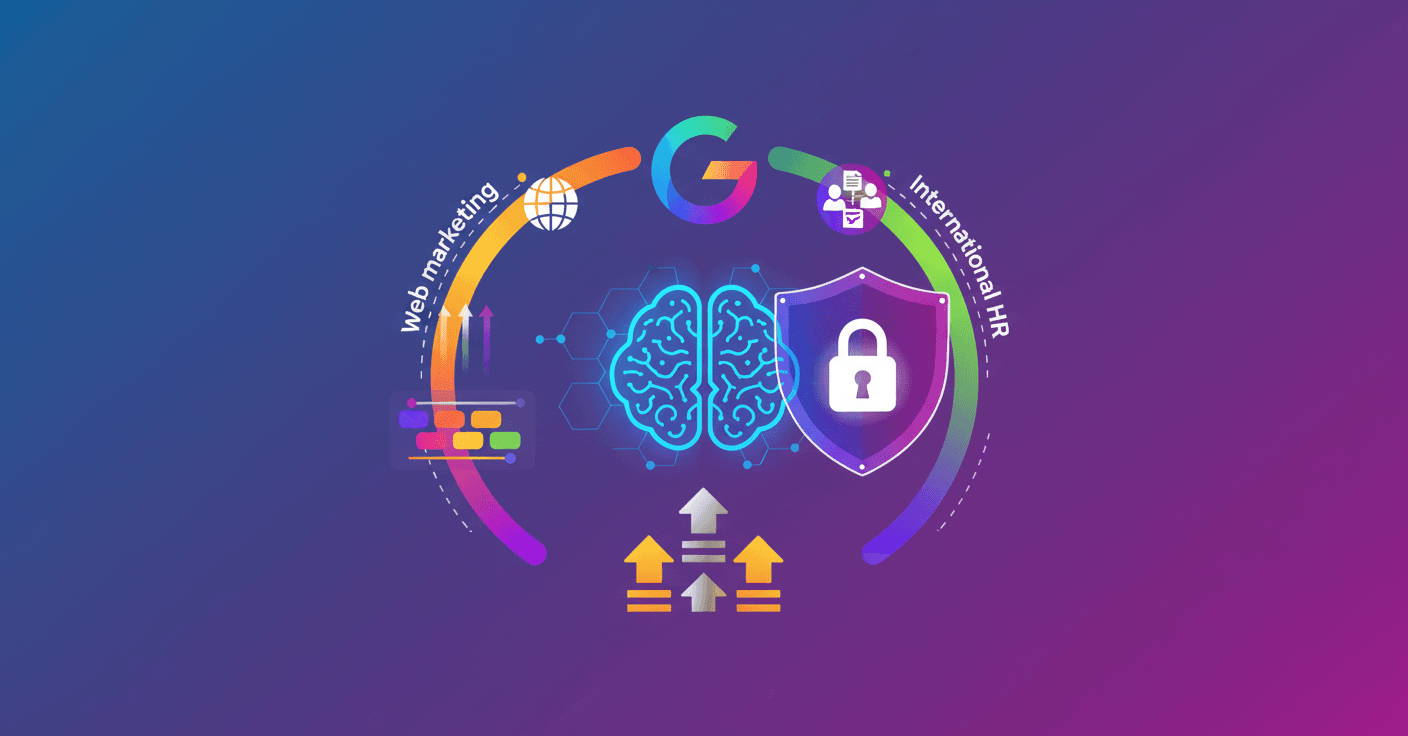
Zenken, a Japanese company that combines web marketing services and international HR, adopted ChatGPT Enterprise to transform its daily work. What happened? Widespread use, clear cost savings, and more time for higher-value tasks.
What Zenken did
The company integrated several OpenAI tools, including GPT-5, custom GPTs, and image generation, with an enterprise-grade, secure approach. In practice, that means ChatGPT Enterprise is present in most knowledge tasks: research, summaries, translations, content creation, and meeting support.
Zenken evaluated twelve critical capabilities, and found ChatGPT Enterprise was the only solution that met them all—especially for security and support for complex reasoning.
Impact on productivity and sales
The numbers are clear: over 90% weekly active use, average time savings between 30% and 50% on knowledge tasks, and between 5 and 15 extra hours per employee each month now reinvested in higher-value work. Can you imagine getting back 10 hours a month per person?
In sales, the change was practical and direct. Before, teams spent hours preparing meetings, researching prospects, and writing emails. With ChatGPT Enterprise, much of that load is automated or sped up, enabling more and better conversations with customers.
Sales process comparison
| Before ChatGPT | With ChatGPT |
|---|---|
| Preparation: manual research | Preparation: deeper analysis with ChatGPT |
| Discovery: checklist-style questions | Discovery: consultative, two-way conversations |
| Meeting: answers delayed | Meeting: ask ChatGPT in real time and reply instantly |
| Proposal: emphasis on features | Proposal: personalized based on customer insights |
As a result, Zenken estimates significant improvements in its sales funnel: proposals passing initial review increase by 15–20%, new business win rates rise 5–10%, and final proposal approval grows by about 30%.
Security and why they chose ChatGPT Enterprise
One non-negotiable requirement was data protection. Zenken needed to ensure client information and internal data wouldn’t be used to train models. ChatGPT Enterprise provided that guarantee, freeing the company to use the tool with sensitive documents.
On top of that, access to reasoning-capable models was decisive. For their web marketing business, the ability to analyze complex problems and support management decisions (market analysis, competitive strategy, opportunity evaluation) sped up adoption and raised the quality of strategic work.
Multilingual use and international expansion
In their global HR business, ChatGPT Enterprise reduced reliance on outsourced translations and multilingual communication. Faster translations with better context helped them run an international operation with a small team, cutting costs and speeding up onboarding of foreign candidates.
Employees use ChatGPT to check news, technical articles, and resources in other languages, which makes it easier to design services with global expansion in mind and lets more people participate directly in cross-border work.
Economic and cultural results
- Estimated annual outsourcing savings: ¥50 million.
- Overall productivity: approximately doubled across the organization.
- Individual usage: over 90% weekly activity and about 900 messages per person per month.
It’s not just efficiency. Zenken reports ChatGPT changed how teams think and work: they first create a hypothesis with ChatGPT and then discuss it internally. That reduces stalls and speeds up decision-making.
Final reflection
Can a small or medium sales force become much more effective with AI? Zenken says yes. By combining security, reasoning models, and multilingual tools, the company not only cut costs but raised the quality of commercial and strategic work.
This isn’t magic, it’s design: pick the solution that fits your business needs, train people, and measure results. If you’re thinking about adding AI to your team, watch three things: data security, the ability for complex reasoning, and how the tool integrates into daily tasks.