The information needed to understand issues such as poverty, health, and access to education exists, but for years it was scattered across multiple organizations and formats. The result? Analysts had to spend months organizing spreadsheets before they could find useful patterns.
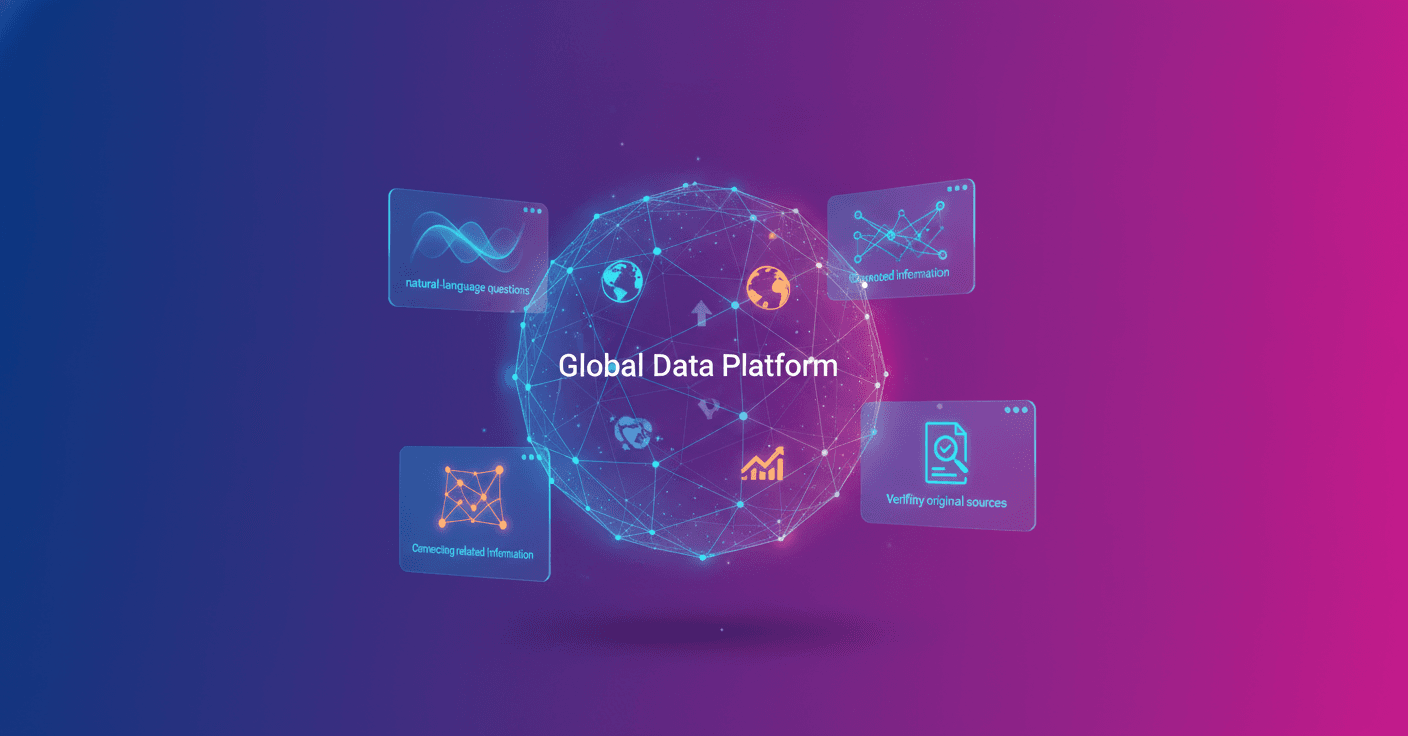
Now the United Nations system is introducing UN System Data Commons, an open platform that brings official statistics together in one connected space. The project uses Data Commons technology, developed by Google, and aims to make global data easier to explore for researchers, journalists, organizations, and public policymakers.
One view for data that used to be separated
Major social challenges rarely depend on a single number. To understand, for example, how to improve school attendance, you may need to connect access to clean water, electricity, health, and a community’s economic situation.
The new platform connects these datasets and organizes elements such as metrics, time periods, and geographic boundaries within a common environment. This allows analysts to spend less time cleaning and combining files, and more time interpreting trends and designing evidence-based solutions.
The idea is not to replace human analysis, but to take away some of the repetitive work that often delays important decisions.
Natural-language queries for exploring statistics
One of the most accessible features of UN System Data Commons is the ability to ask questions in everyday language. You don’t need to know the exact name of a database or how to structure a technical query.
Some of the questions the platform can help explore include:
- How does access to clean water in rural areas affect school attendance?
- How many people gained access to electricity over the past decade?
- How did life expectancy change in different regions of the world?
The answers may include relevant data and interactive visualizations. There is also an Explore tab for filtering information by location or by topics such as health, education, and poverty.
For those who prefer more detailed explanations, the Blog section presents analyses based on data from different agencies. One example is the use of UNICEF information to study which measures could help reduce child poverty.
Official data prepared to work with AI
The platform also includes features for artificial intelligence assistants. Instead of searching for figures across numerous websites and building charts manually, a user can ask an assistant to gather information, connect data from different areas, and prepare a visualization or a draft report.
This approach relies on open standards such as the Model Context Protocol, known as MCP. Put simply, it allows AI agents to consult compatible sources and use their data within a more automated research workflow.
But it’s worth keeping one basic rule in mind: just because an AI finds a figure doesn’t mean we should cite it without checking. For reports, research, or critical decisions, you should always verify the original source, the measurement period, the definition of the indicator, and the geographic context.
A project that will continue to grow
According to the announcement, the datasets are validated by statisticians and technical specialists from the United Nations system. This review aims to ensure that answers are based on official, reliable information—something that becomes especially important when a visualization could influence public decisions.
The project is supported by Google.org through the UN Foundation. Over the next year, the United Nations plans to add data from more entities and aims to include 80% of the system’s statistical datasets by 2027.
The most important change may not be that more data exists, but that more people can ask questions about it. When a small organization, journalist, or researcher can move from a question written in everyday language to a verifiable answer, artificial intelligence stops being an abstract promise and becomes a tool for better understanding the world.
Original source
https://blog.google/innovation-and-ai/technology/ai/google-un-data-commons-platform