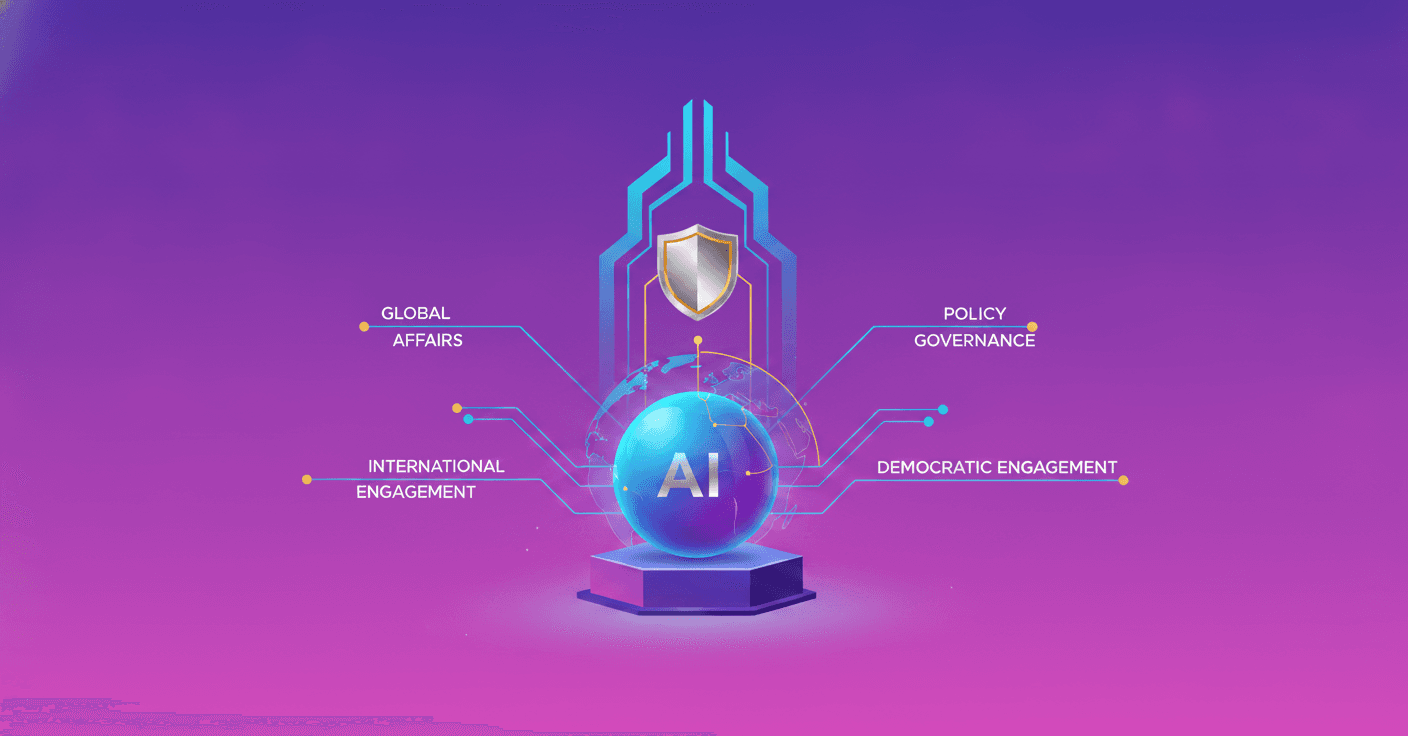
Mariano-Florentino (Tino) Cuéllar joins Anthropic as its first Chief Global Affairs Officer, responsible for driving the company’s policy, international engagement and government relations worldwide.
What does that mean for you? It means Anthropic is investing in how AI interacts with governments and societies — not just in research labs.
Who is Tino Cuéllar and why it matters
Tino’s career spans law, technology, international security and public management. He led the Carnegie Endowment for International Peace and before that served as a justice on the California Supreme Court, where his opinions touched on privacy, international agreements and separation of powers.
In academia he directed centers at Stanford, including the Freeman Spogli Institute and the Stanford Cyber Initiative. He’s also served on presidential councils and commissions like the Committee on Responsible Computing Research at the National Academy of Sciences. He even began teaching classes on artificial intelligence at Stanford nearly a decade ago, so he’s not arriving at Anthropic as a newcomer to the field.
What Anthropic is aiming for with this appointment
Anthropic hired Tino to strengthen conversations with governments, civil society and the international community. The goal is clear: shape how AI is governed and deployed so decisions favor democratic societies and the public good.
"Policymakers in the US and around the world are increasingly realizing that we are at a critical inflection point... Democracies must set the terms on which this technology advances," Cuéllar said in the announcement.
This approach marries two things that are often separate: technical experience and public-institution know-how. Having someone who understands law, foreign policy and technical challenges reduces the risk of misunderstandings when negotiating complex regulatory frameworks.
What practical implications does this have
- Greater institutional dialogue: more meetings with ministries, parliaments and international organizations to define standards and rules.
- Coordination on security and risk: his background in nuclear nonproliferation and security suggests Anthropic wants to treat systemic risks seriously.
- Focus on democratic governance: the company aims for AI decisions to be made with public participation and clear rules.
In addition, Tino had been a trustee of Anthropic’s Long-Term Benefit Trust since January 2026; he resigned that role to take the executive position. The Trust will select his successor through its usual processes.
What can the region and non-technical audiences expect?
Are you wondering if this will affect users, local governments or startups in Latin America? The short answer is yes, but indirectly and gradually. When major AI companies engage with regulatory frameworks and institutional dialogue, the playing field shifts: safety, privacy and access standards get defined and those then inspire laws and public policies.
In practical terms that can mean clearer best practices for deploying models, more attention to social impacts, and opportunities for local actors to participate in conversations about regulation and shared benefits. Think of it like a new rulebook being written — you might not see changes overnight, but over time it shapes how products and services reach people.
What to watch now
- The first initiatives and agreements Cuéllar leads: will they be multilateral, bilateral, or focused on the US and Europe?
- How Anthropic will pair transparency and accountability with its government partners.
- Whether this move encourages other AI companies to appoint leaders with similar public-academic profiles.
Tino arrives at a moment when decisions about AI regulation and governance are defining. This isn’t just an executive hire: it’s a signal that Anthropic intends to play a central role in the global conversation about how AI should develop and coexist with democratic institutions.