Taisei, the Japanese construction firm founded in 1917, recently asked itself: what should we build now? Was it a new bridge or a skyscraper? No. The answer was both simpler and more ambitious: invest in people.
Por qué Taisei puso a las personas primero
The Human Resources organization decided to use ChatGPT Enterprise not as a one-off productivity tool, but as the centerpiece of talent development. The idea was clear: not just to save time, but to extend human potential. The result? 90% active weekly use and more than 5.5 hours of work saved per employee each week.
Taisei didn’t come to force technology on people. They came to change how people learn and work with it. Yasuo Tanaka, head of the Human Resources Training Center, put it like this: 'Technology will eventually be available to everyone. Our real advantage comes from the people who know how to use it and the culture that supports them.'
Cómo lo implementaron: el modelo Middle Out
The rollout was led by Human Resources with an approach they called 'Middle Out'. What does that mean? It combines direction from leadership with the energy and needs of field staff. Kenta Nukazawa, a promoter of the model, explains that neither top-down orders nor isolated grassroots enthusiasm are enough: you need someone in the middle to translate and connect.
Formación, comunidades y experimentación
Taisei designed training programs, internal events, communities of practice and hackathons. The goal wasn't merely to increase the number of AI users, but for each employee to learn how to use it in their own work. That way, ChatGPT stopped being 'a tool imposed on us' and became 'this helps me do my job'.
Gobernanza pensada para generar confianza
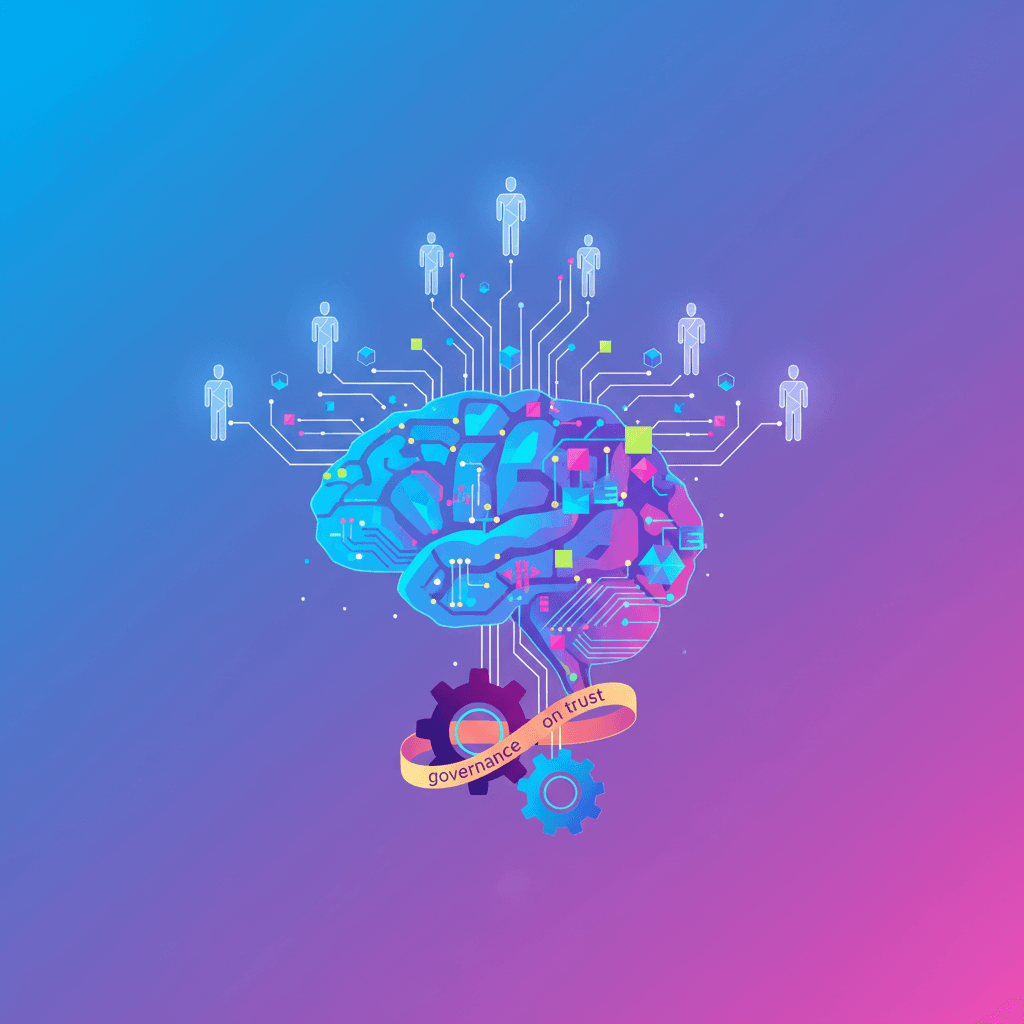
The other critical piece was security and information management. Taisei integrated access controls, usage logs, education programs and regular monitoring. But here’s the nuance: it wasn’t about imposing rules for the sake of rules, but explaining the reason behind each restriction so people could experiment with confidence.
'We weren't trying to tie people up with policies. We wanted to build understanding,' Nukazawa recalls. That trust was key for ChatGPT applications to become part of the daily workflow.
Resultados medibles y cambios reales
- 90% weekly active use of
ChatGPT Enterprise. - More than 5.5 hours saved per employee each week (approx. 260 hours per year).
- 3,300 custom GPTs created.
- 3,800 projects launched.
- 99% of users want to keep using the tool.
Beyond the numbers, there are cultural shifts: younger employees reach productivity comparable to veteran colleagues, and veterans are starting to see AI as a way to develop talent. Comments like 'my work doesn't move forward without ChatGPT' are already common.
Lecciones prácticas si estás pensando en adoptar IA
- Put people before technology: HR can lead adoption if the goal is talent development.
- Use a 'Middle Out' approach: connect strategic direction with the reality of field staff.
- Design governance that builds understanding, not fear: control access and educate continuously.
- Encourage practical experimentation: creating
custom GPTslets you adapt AI to real tasks. - Measure what matters: adoption, hours saved and user satisfaction are useful indicators.
Are you wondering if this works for small companies or projects? Yes. The key isn’t size, but creating spaces to learn and apply AI to real day-to-day problems.
Taisei’s bet shows that introducing AI isn’t about promising an automated future, but about building an environment where people think with more confidence and learn constantly alongside technology. Now they want to share this model with the construction industry and society at large: to spread a way of working that empowers people, not replaces them.