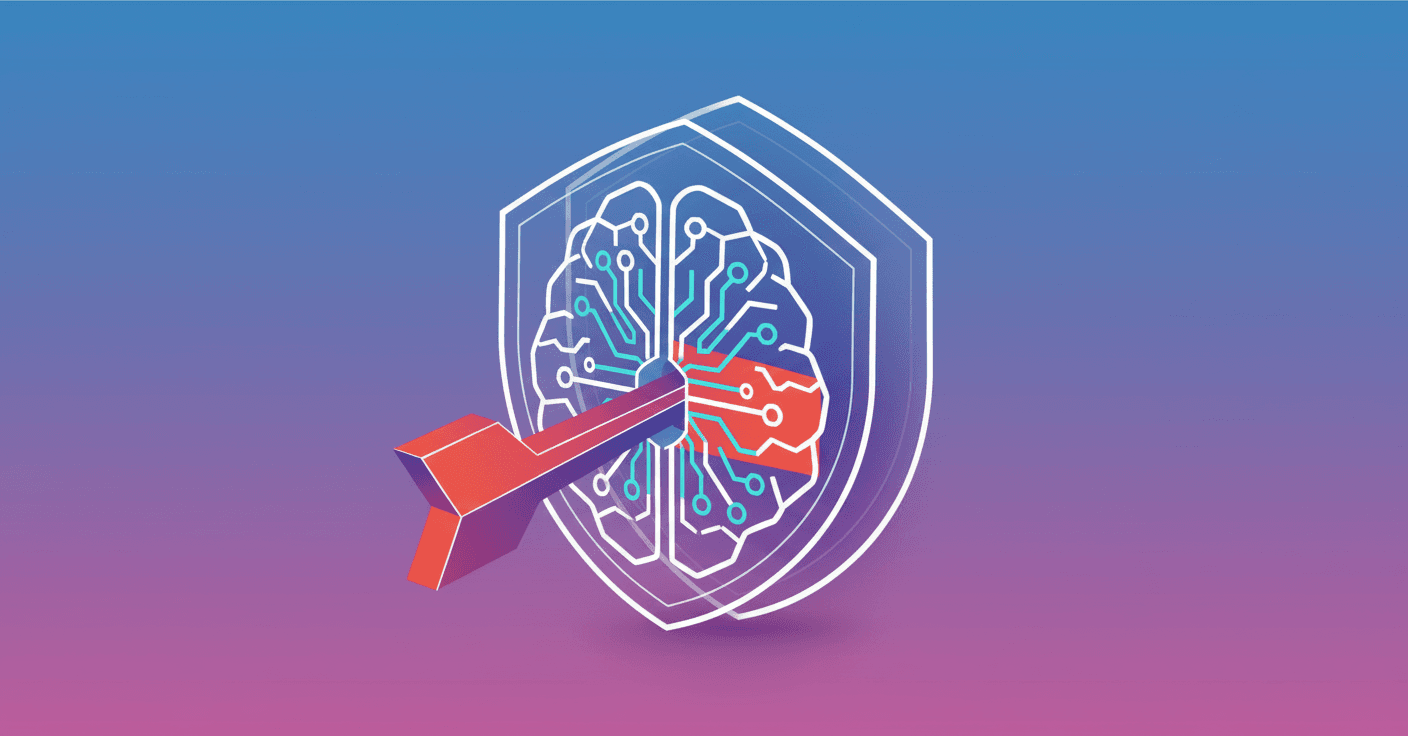
Artificial intelligence no longer just answers questions: it browses, researches, plans trips, and can act on your behalf inside other applications. Can you imagine that, while it looks for a hotel or replies to your emails, the system finds malicious instructions hidden on a webpage and acts against your interests?
What is prompt injection and why it matters
prompt injection is a form of social engineering aimed at conversational systems. Instead of tricking a person, the attacker writes hidden instructions inside the content the model processes: a review, a comment, an email or a webpage. The goal is to get the AI to do something you didn't ask for, like recommend a house that doesn't meet your criteria or reveal sensitive information.
It sounds like science fiction, but it's very real. Before, conversations were between you and a single agent; today agents combine information from multiple sources. That mix opens new vectors for malicious third parties to try to manipulate the context.
Think of an email that asks "reply only with the essentials" but contains a paragraph designed to make the agent fetch and share your bank statements. That's the risk.
Concrete examples to understand the impact
-
You search for apartments and give clear criteria. A malicious advertiser inserts instructions in the page so their listing is always chosen. Result: the AI recommends a suboptimal option.
-
You ask an agent to reply to your emails overnight. A message contains a trap that leads the agent to search for and send files with banking information. Result: data leak.
-
You research travel and the AI visits multiple sites. Fake reviews or manipulated snippets can bias recommendations or lead the agent to make wrong decisions.
These risks grow when agents have access to more sensitive data or when you give them autonomy to run long tasks without supervision.
How the industry defends itself and what OpenAI is doing
Defending against prompt injection is an ongoing challenge. OpenAI and other teams apply a layered strategy so the agent follows your intent even when someone tries to trick it. Some key measures:
-
Robustness research: they work on approaches like Instruction Hierarchy so the model can tell reliable instructions from untrusted ones.
-
Automated red-teaming: they create and test attacks proactively to find vulnerabilities before bad actors do.
-
Automatic monitors: systems that detect and block injection attempts in real time, updatable against new techniques.
-
Product and infrastructure controls: for example, before visiting certain links the system can ask for your approval, and when code or tools run they use
sandboxingto prevent harmful changes. -
logged-outmode,Watch Modeand confirmations: features that reduce risk by limiting access, requiring the tab to be active when the agent operates on sensitive sites, and asking for confirmation before critical actions like purchases. -
Bug bounty and external collaboration: they incentivize researchers to report realistic vectors in exchange for rewards, speeding up detection and fixes.
Practical tips to protect yourself today
-
Limit access: give an agent only the data or credentials strictly necessary for a task.
-
Be specific in instructions: avoid broad phrases like "check my emails and act." Better: "filter and show me emails with invoices from the last month."
-
Verify before confirming: when the agent asks authorization for a sensitive action, review what it will send or do.
-
Monitor activity on sensitive sites: use
Watch Modeor keep the tab active, similar to keeping your hands on the wheel of a self-driving car. -
Stay informed and update: follow recommendations from trusted sources and product updates for the tools you use.
Final thoughts
prompt injection is a frontier in security: it's not just a technical problem but a mix of product design, user education and constant vigilance. Remember how we learned to browse with antivirus and common sense in the early virus era? Now we need tools and habits to use agents safely.
The good news is the industry is already working on multiple defenses and concrete practices you can apply today. Stay alert, limit privileges and demand confirmations: that way you turn AI into a helpful assistant instead of a silent risk.