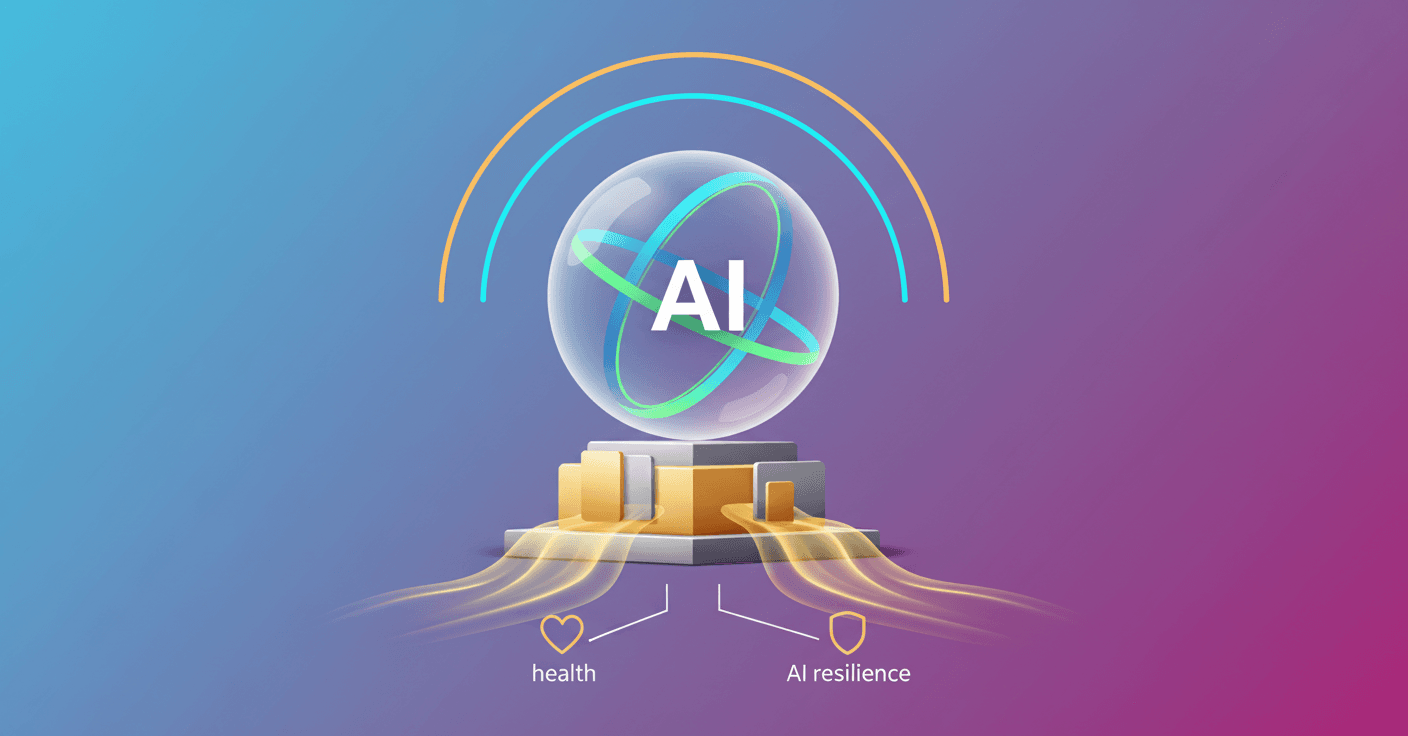
OpenAI completed a recapitalization that simplifies its corporate structure and gives the nonprofit a direct path to massive resources before general intelligence arrives. What does this mean for the mission of making AGI benefit all of humanity? A lot — but with nuances.
What changed
The nonprofit entity is now called OpenAI Foundation and it controls the for-profit entity. That equity stake in the for-profit is valued at roughly $130 billion. The recapitalization also includes mechanisms for the Foundation to increase its ownership if the company hits certain valuation milestones.
The for-profit business became a public benefit corporation called OpenAI Group PBC. The goal is to keep the mission front and center while allowing commercial growth that increases the Foundation’s stake value.
The Foundation retains control and can use the company’s accumulated value to fund large-scale philanthropic work.
The recapitalization closed after nearly a year of discussions with the attorneys general of California and Delaware, and changes were made in response to those conversations.
What will the OpenAI Foundation fund? (initial $25 billion commitment)
-
Health and disease cures. They’ll fund projects to accelerate medical discoveries: faster diagnoses, better treatments and potential cures. Think earlier cancer detection from improved algorithms, quicker lab analysis that shortens wait times, or support that helps researchers get to clinical trials sooner.
-
Technical solutions for AI resilience. Just like the internet needed cybersecurity architecture to protect critical infrastructure, AI needs a resilience layer that maximizes benefits and minimizes harms. The Foundation will back practical solutions in that space.
These two pillars mix open research, funding and technical support so advances don’t stay only in private hands.
Why should you care?
Because this changes how massive resources are channeled toward public ends. If the company succeeds commercially, the Foundation will have more resources to fund public health and AI safety. In practice, that could mean better medical tools available to more people, or technologies that reduce the risks of dangerous AI deployments.
Sounds promising — but shouldn’t you also ask who decides priorities? That same control raises legitimate questions about concentration of power, governance and how philanthropic priorities will be set. The Foundation controlling the company doesn’t remove the need for public debate about accountability, transparency and fair access to benefits.
Risks and open questions
-
How will it be decided which projects get funding? Governance and criteria will be key.
-
What safeguards will prevent public or philanthropic resources from primarily benefiting a few actors?
-
How will the Foundation coordinate with regulators and the global community? International collaboration will be necessary for AI resilience to be truly global.
What’s next
OpenAI Foundation and OpenAI Group PBC will work together to push solutions to complex problems: make intelligence a tool with broad benefits, build safe and aligned systems, accelerate scientific discovery and strengthen global cooperation.
Does this mean AGI will automatically be good for everyone? No guarantees — but there’s a clear bet: convert commercial success into large-scale philanthropic capacity. The concrete step is having resources and a structure designed to keep the mission at the center.