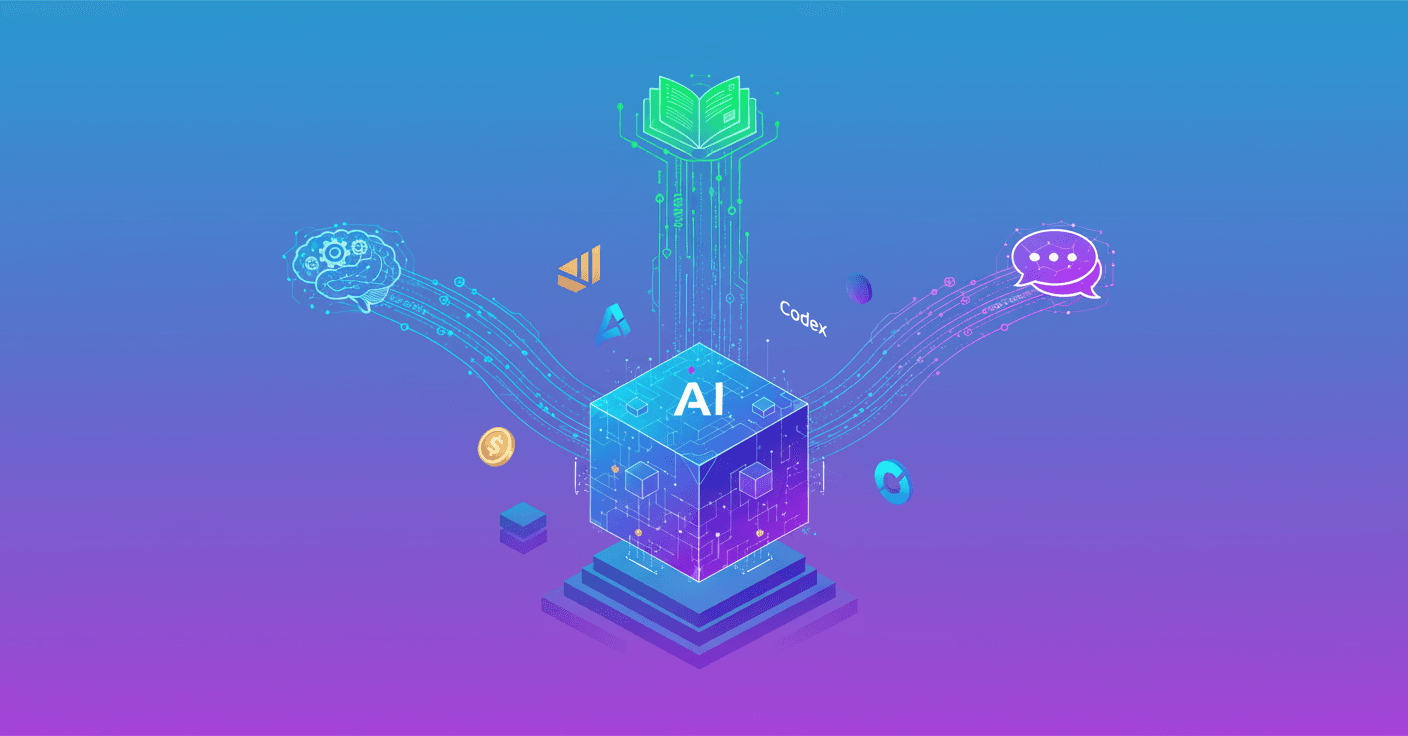
Today OpenAI announces a game-changing round: $122 billion committed and a post-money valuation of $852 billion. What does that mean for you, for companies, and for the global tech ecosystem? In short: more resources to put AI in more people's hands and into more everyday tasks.
What just happened
The company closed a massive round with strategic anchors like Amazon, NVIDIA, SoftBank and the ongoing participation of Microsoft. Firms such as a16z, ARK Invest, BlackRock and many others also participated, and for the first time individual investors were included via banking channels for more than $3 billion. A credit line was also expanded to roughly $4.7 billion.
Key figures to remember: 900 million weekly users on ChatGPT, more than 50 million subscribers, revenues of $2 billion per month, and
GPT-5.4as the most capable version recently released.
Why infrastructure and compute matter
OpenAI describes a compounding effect: more compute enables smarter models, those models improve products, better products attract more users, and that generates more revenue to reinvest in compute. It's a virtuous circle the company calls its "flywheel."
Nvidia remains the backbone, but the strategy is broader: multiple clouds (Microsoft, Oracle, AWS, Google Cloud), diverse chip architectures (NVIDIA, AMD, Trainium, Cerebras and a custom chip in partnership with Broadcom), and data centers with partners like Oracle and SoftBank. The idea is to avoid dependence on a single provider and be ready for a global, varied demand.
Product: toward an AI superapp
OpenAI wants to combine ChatGPT, Codex, browsing and agents into a single agent-centered experience. Why? Because when models are powerful, the biggest bottleneck is usability. People want a tool that understands intent, acts, and works with their data and apps without jumping between disconnected pieces.
This has two practical effects: it makes it easier for the average user to adopt advanced capabilities and serves as a natural on-ramp for companies that already use these tools day to day.
What changes for you (user, developer or company)
-
For users: more integrated experiences and capabilities that solve complex tasks directly. Can you imagine an assistant that organizes your emails, takes actions, and prepares reports without you stitching apps together?
-
For developers: more APIs, more tokens processed (
>15 billion tokens per minute) and tools like Codex expanded to turn ideas into software faster. -
For companies: deployments at scale, greater focus on agentic workflows and the ability to incorporate AI into critical processes with higher reliability.
Risks and questions that remain in the air
Not everything is just growth. There are issues worth watching:
-
Concentration: such a large infrastructure can make a few actors extremely influential. How do we regulate competition and access?
-
Security and privacy: more integration means more data at play. How are those flows protected and audited?
-
Governance and accountability: as agents take actions, who is responsible for automated decisions?
-
Equitable access: the promise is to broaden global benefits, but will that translate into access for SMEs, educational institutions and countries outside tech hubs?
And the economy? Is this just for big companies?
OpenAI's narrative is clear: this is both commercial and mission-driven. By expanding the user base and creating products that companies and consumers use, the company expects value to flow into the real economy: businesses, communities and people.
But the real impact will depend on whether the tools become easy to use, affordable, and regulated in ways that encourage responsible innovation. If you're an entrepreneur, there's more opportunity now to build on that infrastructure; if you're a user, you'll soon see more integrated features in your daily apps.
In short, this massive capital injection makes visible what we were already seeing: AI has stopped being a promise and became infrastructure. Now comes the practical and human part: turning that capacity into useful, safe and accessible products for many more people.