OpenAI presented a package of industrial policy ideas designed for the so‑called intelligence age. The thesis is clear: moving toward superintelligence won't be solved with regulatory band‑aids. Why? Because the change will be deep and fast, and institutions need new tools to distribute benefits and manage risks.
What OpenAI proposes
OpenAI describes its proposals as ambitious but early and exploratory. They are not a final plan, but a starting point for public debate and democratic policymaking.
- Offer people‑centered ideas to expand opportunities, share prosperity, and build resilient institutions.
Incremental policy updates won't be enough when AI capabilities scale exponentially.
- They invite feedback via email at newindustrialpolicy@openai.com.
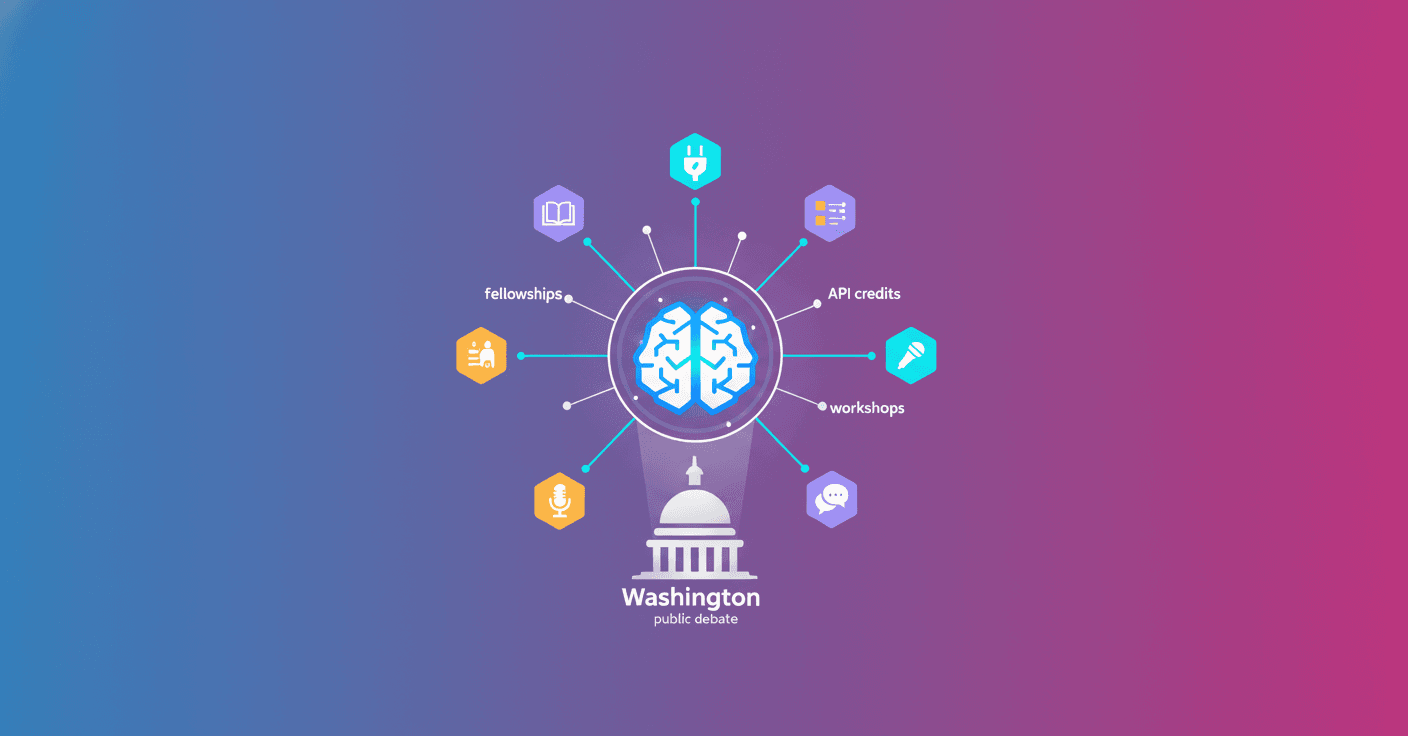
- They launch a pilot program of research fellowships and grants with amounts up to 100,000 per project, plus
APIcredits up to 1,000,000 for work that develops or expands these ideas. - They convene dialogues and working groups at their new OpenAI Workshop opening in May in Washington, DC.
Why this affects you (yes, you)
This conversation isn't just for technocrats. If you're an entrepreneur, worker, teacher, or public servant, these proposals can change how initiatives are funded, what labor protections emerge, and which public investments we prioritize.
Worried about automation of your trade? Want AI gains to not end up concentrated in a few companies? These are the issues at stake: jobs, education, innovation, and governance. OpenAI puts concrete resources for research and engagement on the table, which makes it easier for diverse groups to contribute now.
What you can do now
- Read the ideas and think critically: they're a draft for debate, not a closed recipe.
- Send feedback to newindustrialpolicy@openai.com if you have proposals, questions, or want to collaborate.
- If you work in research or at an NGO, consider applying for the fellowships and
APIcredits if your project fits. - Follow the OpenAI Workshop in May to hear discussions and join public sessions.
Final reflection
Industrial policy in the era of AI isn't only technical: it's social, economic, and deeply political. Opening the discussion now, with funding and public spaces, is a practical step. But whether it's useful depends on more voices — not just companies — stepping in, questioning, and improving the ideas.
Original source
https://openai.com/index/industrial-policy-for-the-intelligence-age