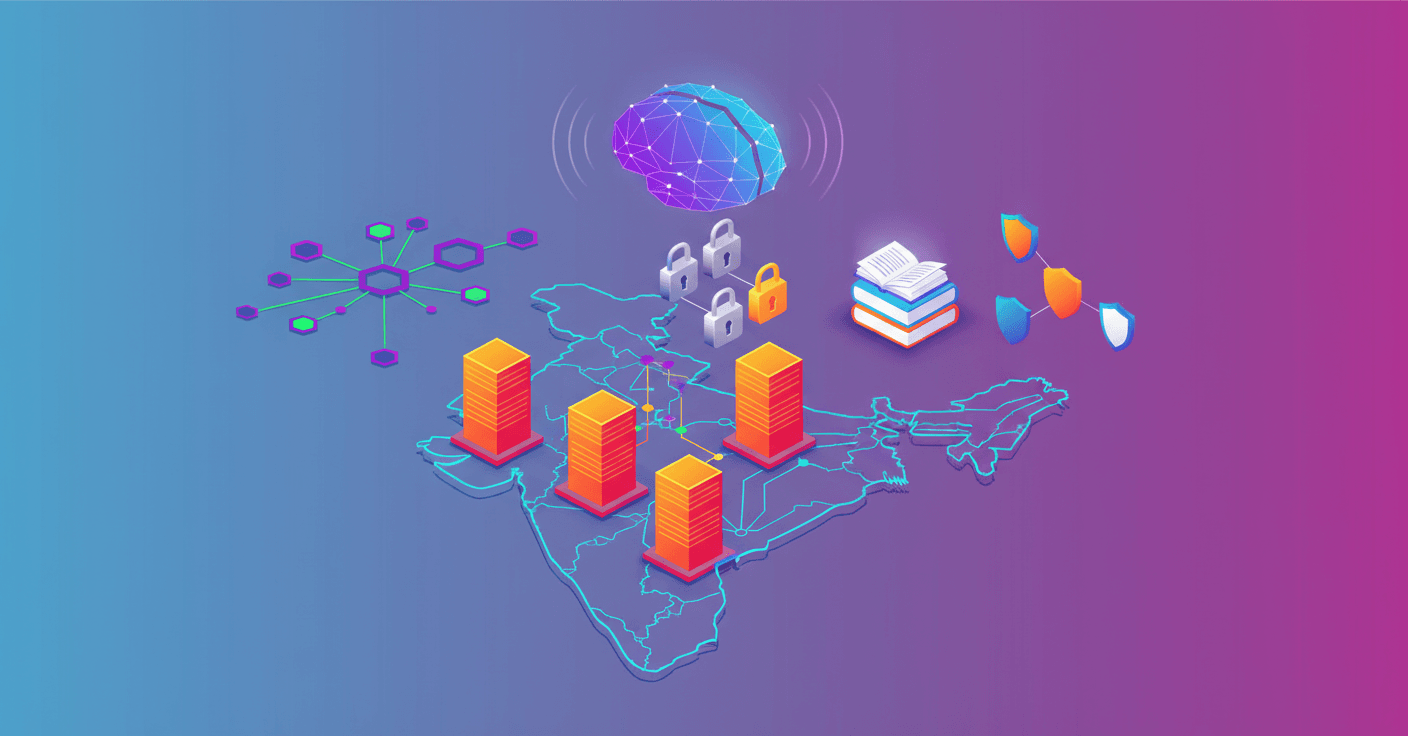
Today in Delhi, during the India AI Impact Summit 2026, OpenAI unveiled OpenAI for India, a national initiative with leading partners to expand access to artificial intelligence and harness its economic and social benefits in the world’s largest democracy.
What OpenAI is announcing for India
OpenAI for India is not just a commercial alliance. It’s a package of measures that includes:
-
Local infrastructure: partnership with Tata Group to build AI-ready data centre capacity in India, designed for data residency and security. OpenAI will be the first customer of Tata Consultancy Services' HyperVault business, starting with 100 megawatts and with the ability to scale to 1 gigawatt.
-
Models running in India: that infrastructure will allow running OpenAI’s most advanced models securely on Indian soil, reducing latency and meeting data requirements for critical and governmental workloads.
-
Enterprises and internal development: deployment of
ChatGPT Enterpriseacross Tata Group, beginning with hundreds of thousands of TCS employees, and use ofCodexto standardize AI-powered software development. -
Certifications and education: expansion of
OpenAI Certificationsin India with TCS as the first participant outside the United States, and more than 100,000 licenses ofChatGPT Edufor universities and institutions like IIM Ahmedabad, AIIMS New Delhi, Manipal, UPES and Pearl Academy. -
Local presence: new offices planned in Mumbai and Bengaluru in addition to the presence in New Delhi.
Why should you care?
Wondering if this will affect your day-to-day? Yes, and on several fronts.
For professionals: certifications and the mass arrival of enterprise tools mean more job openings that ask for AI skills—and clearer paths for you to train.
For companies: having models run in India reduces latency and makes it easier to meet local data rules, so you can use AI in mission-critical processes that previously felt risky.
For students and educators: 100,000 educational licenses aren’t just numbers; they’re classrooms where you get hands-on practice with the same tools companies use.
Practical details worth knowing
-
The figure of 100 million weekly
ChatGPTusers in India shows very rapid adoption. That creates a market—and also responsibility. -
Starting with 100 megawatts and having the option to scale to 1 gigawatt implies a serious commitment to local infrastructure, not just a symbolic deployment.
-
The deployment of
ChatGPT Enterpriseat Tata could be one of the largest enterprise implementations in the world, and will serve as a case study for other large organizations. -
TCS as the first certification partner outside the U.S. indicates that OpenAI is seeking institutional partners to scale technical training, not just sell licenses.
Questions and risks to watch
-
How will data governance and oversight be handled? Having local data centres doesn’t remove the need for clear rules and audits.
-
Who controls models and updates within India? Dependence on international technology raises questions about long-term technological sovereignty.
-
Will tools be adaptable to regional languages and diverse educational needs? Linguistic and pedagogical inclusion will be decisive for real impact.
What's next and why it's worth paying attention
This announcement combines infrastructure, enterprise deployments and education. It’s not just that technology arrives: it plants physical capacity, training and large-scale commercial agreements.
If you live in India or work with teams there, this can accelerate projects, change job profiles and open new businesses.
And what about the rest of the world? You’ll see practical examples of large-scale deployment that other regions will take as reference.
For you: if you’re learning AI, looking for a tech job or thinking about how to integrate these tools into your business, this is a moment to get informed and plan. Want to take advantage? Start with practical courses, certifications and small projects that demonstrate value.