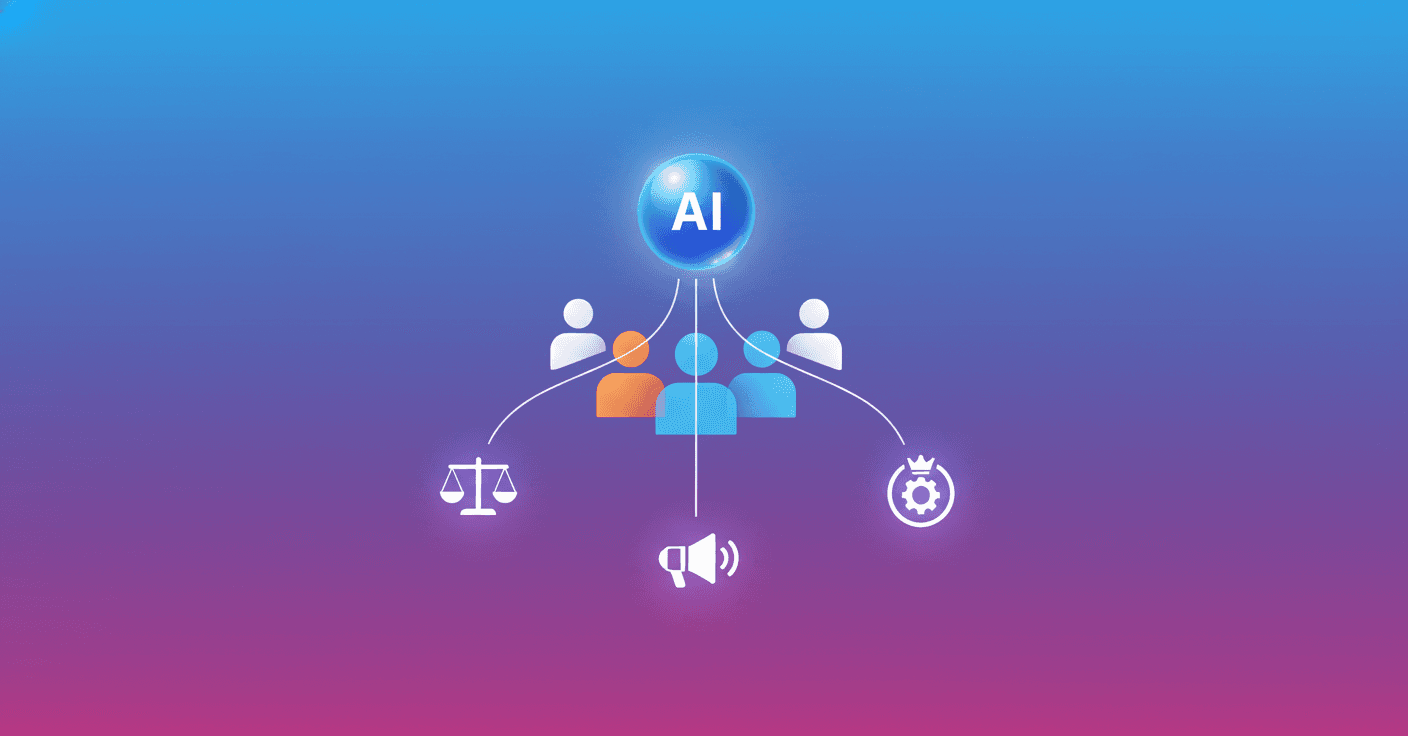
Every few generations a technology appears that changes everything. It sounds like a cliché, but if you think about the printing press, electricity, or the internet, you know it's true: they transform jobs, institutions, and even how we organize ourselves.
What OpenAI proposes
OpenAI says it's entering the third phase. What does that mean? Simply put, they’re moving from building powerful tools to focusing on how those tools are used and who benefits from them.
"Every few generations, a new technology changes everything. A key long-term role for people will be deciding what is worth doing. To be able to deliver on this, we are entering the third phase of OpenAI."
It’s a short statement but it carries two main ideas: first, technology isn’t impact-neutral; second, people will still be the ones setting priorities. Who decides what’s worth doing with AI? That question is the key.
Why does it matter to you?
Because this shifts the conversation from engineers’ labs to a broader social discussion. A third phase suggests practical steps: prioritize applications that help health, education, and work; design clear rules about safety and fairness; and make sure those who create value also share the benefits.
Think about an entrepreneur who wants to use AI to optimize a small business, or a teacher who wants tools to personalize lessons. The decisions made now—about accessibility, costs, and governance—will determine if people like them get real access or if the technology stays concentrated in a few hands.
What can we expect from that phase?
It’s not an exact prediction, but it’s a useful guide to understand the shift:
- More emphasis on distributing benefits, not just on technical capability.
- Policies and governance frameworks that involve communities, companies, and governments.
- Products and services designed for real use cases, not just impressive demos.
- Education and tools so more people can participate in setting priorities.
Sounds ambitious? Yes. Necessary? Also. Technologies that change everything need social support so the change is fair.
What you can do now
- Ask yourself: what’s worth solving with AI in my context? That simple question puts you at the center of the conversation.
- Learn enough to tell marketing promises from practical solutions. You don’t need to be an engineer, but you should know what can help you.
- Participate: in local debates, in work teams, in product decisions. People who don’t participate are often affected by choices others make.
Responsibility isn’t just on the companies that build the technology. It’s on all of us, because social priorities are built collectively.
Think of the third phase as an invitation: the technology is already here — now we have to decide what we want to do with it and for whom.