OpenAI lays out a practical view: AI infrastructure isn’t valuable because it’s big, but because of what it lets you do. When useful intelligence is cheaper and more capable, more people and companies can use it for real tasks, not just academic demos.
What OpenAI announced and why it matters
OpenAI announced price cuts and operational improvements that aim exactly at that: making AI more accessible. The key changes are clear and concrete:
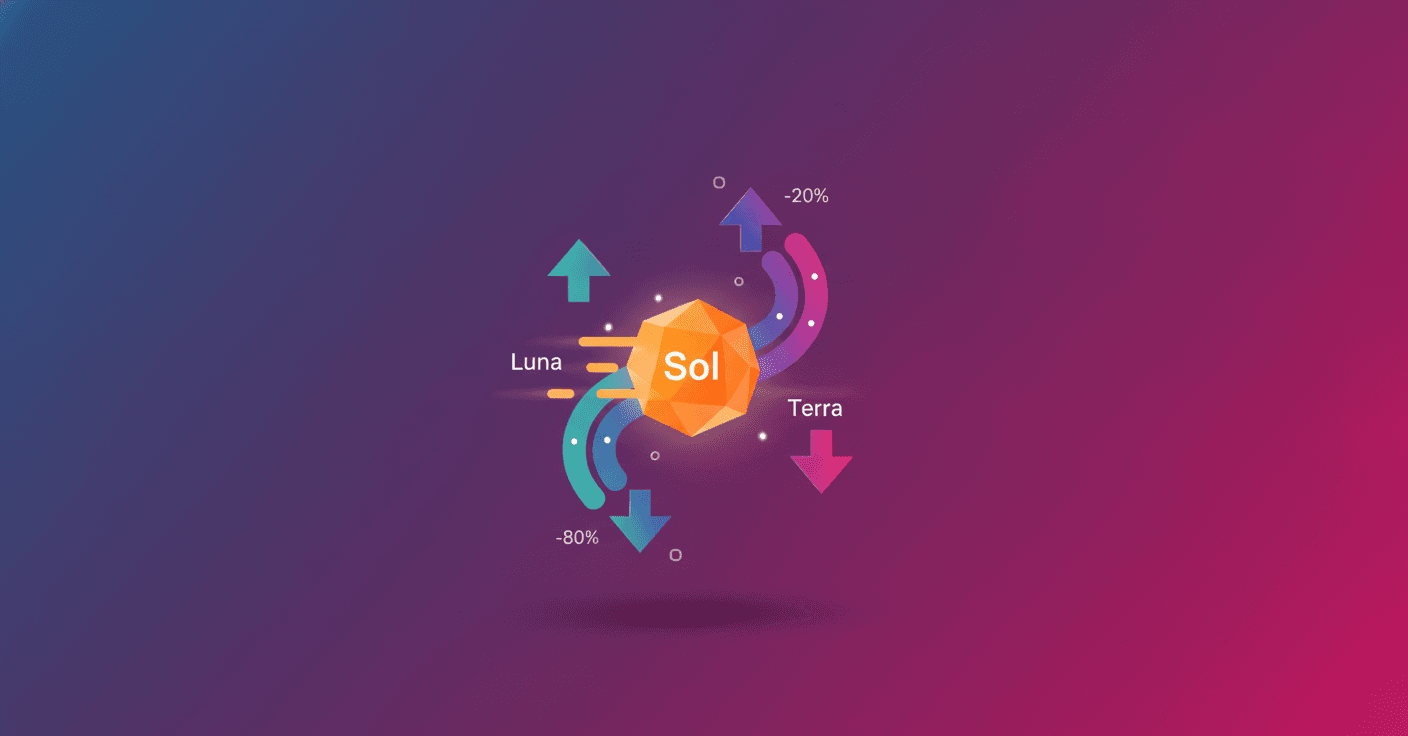
GPT-5.6 Lunacuts its price by 80%. It now costs $0.20 per million input tokens and $1.20 per million output tokens.GPT-5.6 Terracuts its price by 20%. Its rates are $2 per million input and $12 per million output.GPT-5.6 Solin Fast mode offers up to 2.5× the standard processing speed at twice the price, with no change in intelligence.
Those aren’t just numbers. They’re choices that expand what becomes practical: from automating customer support to assisting scientific research without costs becoming prohibitive.
Why "abundance" isn't just lowering prices
Does abundance just mean cheaper hardware? No. Abundance is intelligence that’s more useful, more affordable, and better integrated into systems that actually get the job done.
OpenAI explains how engineering improvements make each compute unit more effective: production software optimizations cut service costs by 20%, and speculative decoding improvements increased token-generation efficiency by over 15%.
Better context management and routing also avoid repeated work. In benchmarks, gains in retained reasoning and context handling raised GPT-5.6 Sol’s ARC-AGI-3 score from 13.3% to 38.3% while using six times fewer output tokens. In other words: the same base model performs much better when the surrounding system is smarter.
What really costs: the outcome, not the tokens
Why do you buy tokens? They aren’t the goal; they’re the means to solve a problem: close a deal, fix a bug, review a contract, publish an analysis.
A more expensive model can be cheaper overall if it reduces retries, supervision, or human corrections. A cheaper model can broaden access if it meets the same quality bar. The key is applying the right intelligence at the right price inside a workflow.
Practical example: a small business that automates support replies can use Luna to cut cost per ticket without sacrificing quality. An R&D team might prefer Sol in Fast mode for quick iterations when time is critical.
Operational strategy: plan today for demand that changes fast
Infrastructure is planned years ahead, but models and products evolve much faster. That’s why OpenAI stresses disciplined investment: decisions based on real evidence — user growth, API consumption, enterprise commitments, utilization, and technical progress.
It’s not about owning everything: it’s about coordinating layers (infrastructure, models, platform, and product) and learning from real-world use. Partnerships, private capital, and product revenue play different roles to sustain that growth.
What this means for companies and people
The numbers show the reach: more than a billion active users and over two million companies use these technologies. A pattern emerges: six months after signing up, users send 50% more messages per day and use the service for twice as many types of work.
ChatGPT Work is taking AI from answering questions to completing complex tasks: moving from "ask" to "do." At OpenAI, agentic work through Codex already accounts for 99.8% of weekly output tokens, signaling how agent tools become central in productive flows.
For you or a small company, this means access to capabilities once reserved for large firms: automate processes, speed up research, or delegate administrative tasks without big engineering teams.
Final reflection
OpenAI’s bet isn’t only on more compute or lower prices. It’s on a cycle: better models help uncover efficiencies, those efficiencies lower costs and allow more work on the same infrastructure, and that larger demand funds the next generation of advances.
The result? Intelligence that becomes more capable, cheaper, and more useful for more people. That’s what they call abundance: not a technological utopia, but more valuable work made possible and within reach.