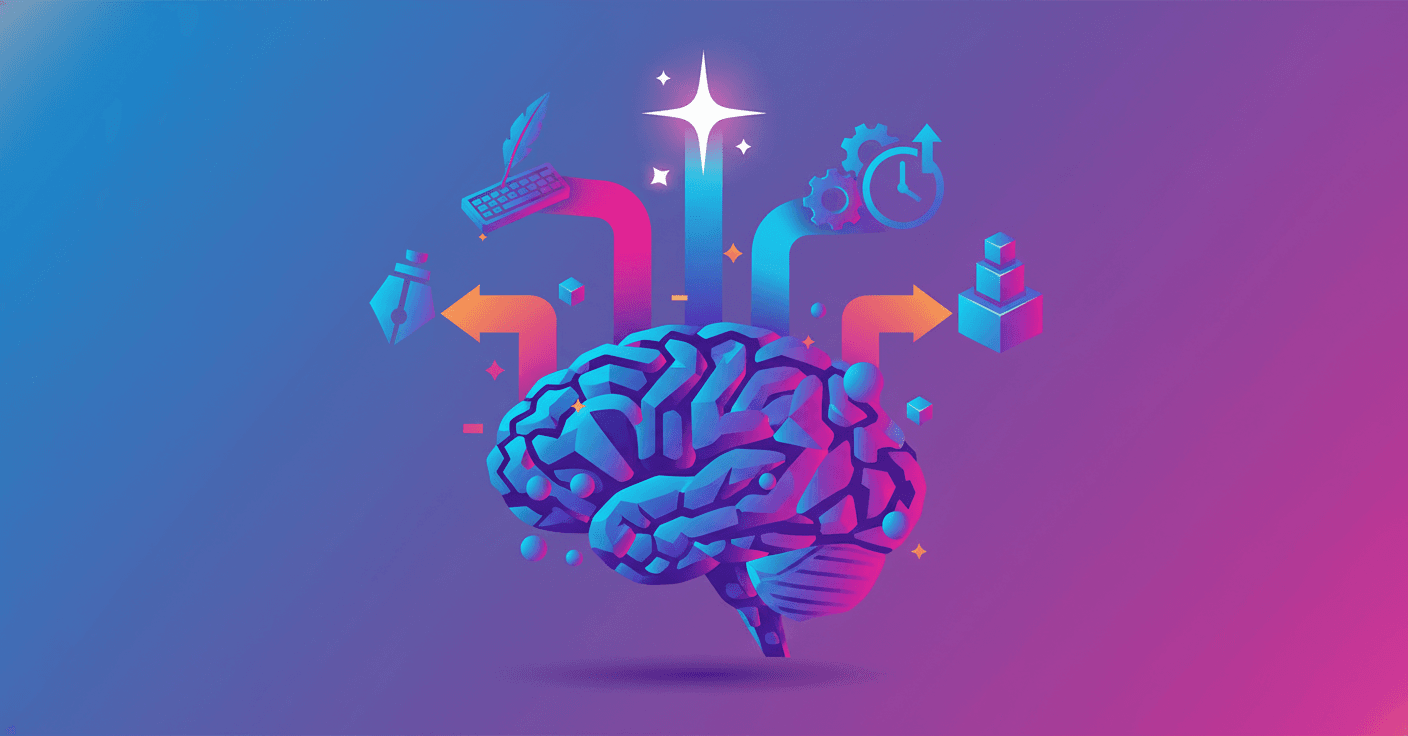
More than one million customers worldwide use OpenAI to support teams and open new opportunities. What does that mean for you and your company? It means artificial intelligence has stopped being an experiment and turned into a daily tool that speeds up tasks, creates products, and changes processes.
What a million customers means
It's not just a big number. It's confirmation that AI already occupies a real space inside companies: from small businesses to large corporations. The story OpenAI tells is clear: people moved from testing AI to integrating it into their regular workflows.
Why does it matter? Because when many organizations adopt a technology, the pace of innovation accelerates: techniques are shared, reusable templates appear, and solutions emerge that were previously unthinkable for small teams.
How people use AI today
The ways to use AI are varied and, in many cases, practical and concrete. Some examples you already see around you:
- Communication and marketing teams use
ChatGPTto draft pieces, adapt messages, and save hours of work on copy. - Analysts automate parts of data analysis and turn reports into actionable insights.
- Developers use
Codexto speed up code, fix bugs, and prototype new features faster. - Companies build full products on the
API, integrating voice, video, and images into new experiences. - Teams implement agents to automate flows that used to take hours of manual work.
Each case is different. One internal assistant can answer technical questions; another agent can manage repetitive administrative tasks. The variety shows there isn't a single correct way to use AI.
75% of customers said AI allowed them to complete tasks they couldn't do before.
That percentage says it all: they're not just doing the same things faster, they're unlocking new capabilities.
What's changing in practice
Mass adoption brings practical consequences: less repetitive work, more focus on creativity and problem-solving, and real possibilities to create new products. For entrepreneurs, this means a lower barrier to entry: with the API you can prototype voice or vision services without investing years.
There's also a cultural effect. Teams that used to hesitate now integrate AI into daily processes: text reviews, idea generation, debugging code, or automating customer support. That changes roles, workflows, and even how productivity is measured.
A look ahead
This isn't futurism: it's happening today. More than a million customers building on the same foundation creates an ecosystem where best practices spread, tools mature, and possibilities multiply. If you're interested in bringing AI into your work, the advice is simple: start with small cases, measure results, and scale what works.
The invitation is to see AI as a concrete lever to improve what you already do, not as an abstract promise. Every company that adopts these tools teaches us something new about what works and what doesn't.
Original source
https://openai.com/index/one-in-a-million-customers
Summary: OpenAI reaches more than one million customers who use AI to transform tasks and build products. Use goes from ChatGPT for writing to agents that automate flows, and 75% of customers report accomplishing tasks that were previously impossible.