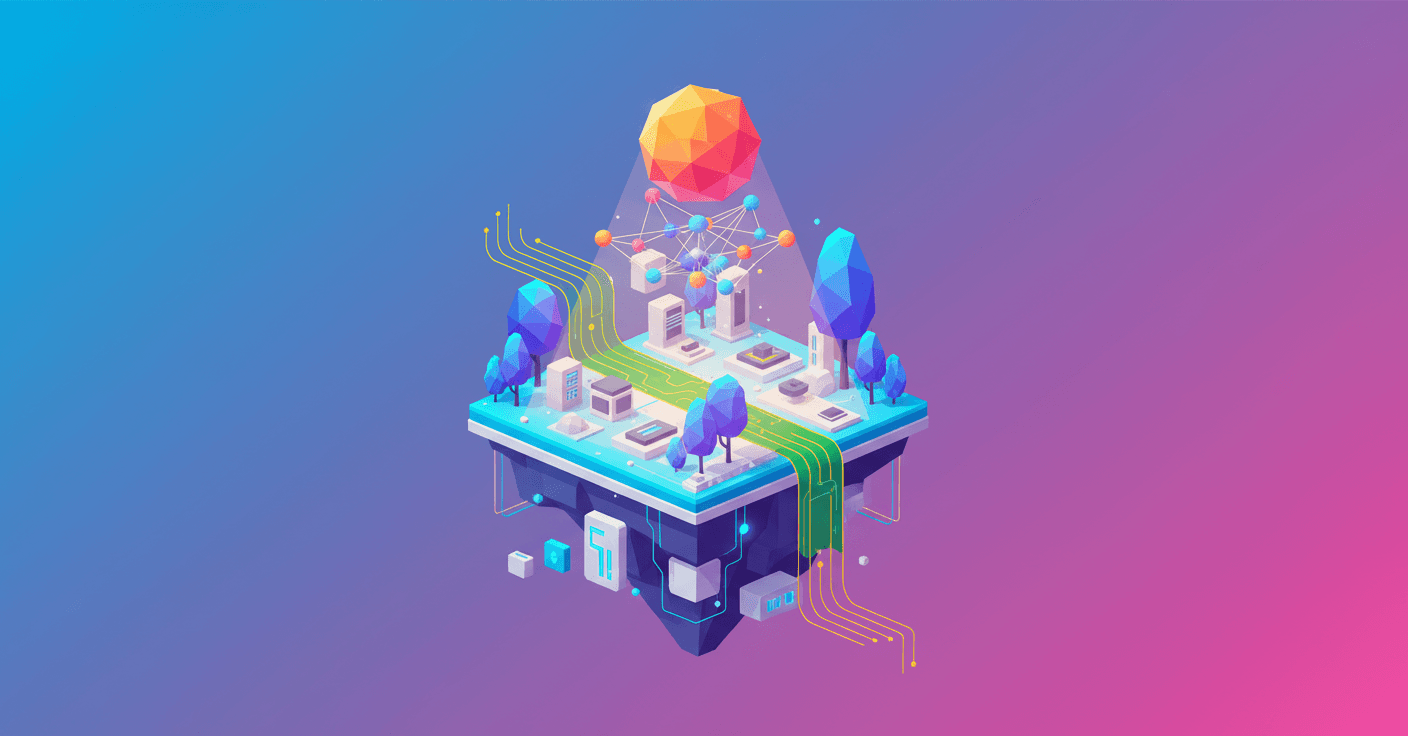
Gradient Canvas brings together 13 new works born from the crossroads of human perception, machine vision, and the Bay Area's ecology.
Art and artificial intelligence as a bridge
Can you imagine artificial intelligence as a lens, not a replacement? Gradient Canvas proposes exactly that: 13 commissions to global artists who used Google tools and AI techniques to reinterpret the local natural environment. The pieces aim to show how different intelligences—the human, the technical, and that of ecosystems—dialogue and translate what they see and feel.
Many of the artists, several with prior collaborations with Google, work across mixed disciplines and experimental methods. The result isn't just images: it's perspectives on how we perceive, mediate, and inhabit the world when we include digital agents in the creative process.
The exhibition poses a simple, powerful question: what happens when we broaden our view with algorithms that also 'see' the world?
A decade of creative collaboration
The initiative is part of a long journey. From programs like Google Arts & Culture Artist-in-Residence to milestone projects like DeepDream by Alex Mordvintsev, Google has been weaving bridges between art and technology. That mix pushed forward exhibitions and projects like the collaboration with Gray Area in 2016 and the Artists + Machine Intelligence (AMI) program.
It's important to remember these experiments aren't isolated tricks. They're processes where human imagination gives purpose to technology. When an artist picks up a powerful tool, they don't just make an artwork: they help imagine ethical, aesthetic, and community uses for AI.
What Gradient Canvas offers and why it matters
- 13 commissioned works that explore the Bay Area's local ecology.
- A physical installation in the Gradient Canopy in Mountain View so you can experience the pieces in person.
- Online access via Google Arts & Culture so anyone, from emerging artists to the curious, can view and learn.
Google's bet, according to the announcement, is that the next decade will enlarge that 'canvas': supporting new visionary voices and making AI tools more accessible. What does this mean for you as a creator or as an audience? More chances to experiment, question, and make the technology your own.
Final reflection
Gradient Canvas isn't just an exhibition: it's an invitation. It asks you to view AI as another collaborator, to ask how images are constructed, and to consider the relationship between technology and nature from an artistic practice. If you're interested in the intersection of creativity and algorithms, this show is a good starting point to think about what's coming.
Original source
https://blog.google/technology/ai/google-gradient-canvas-ai-art