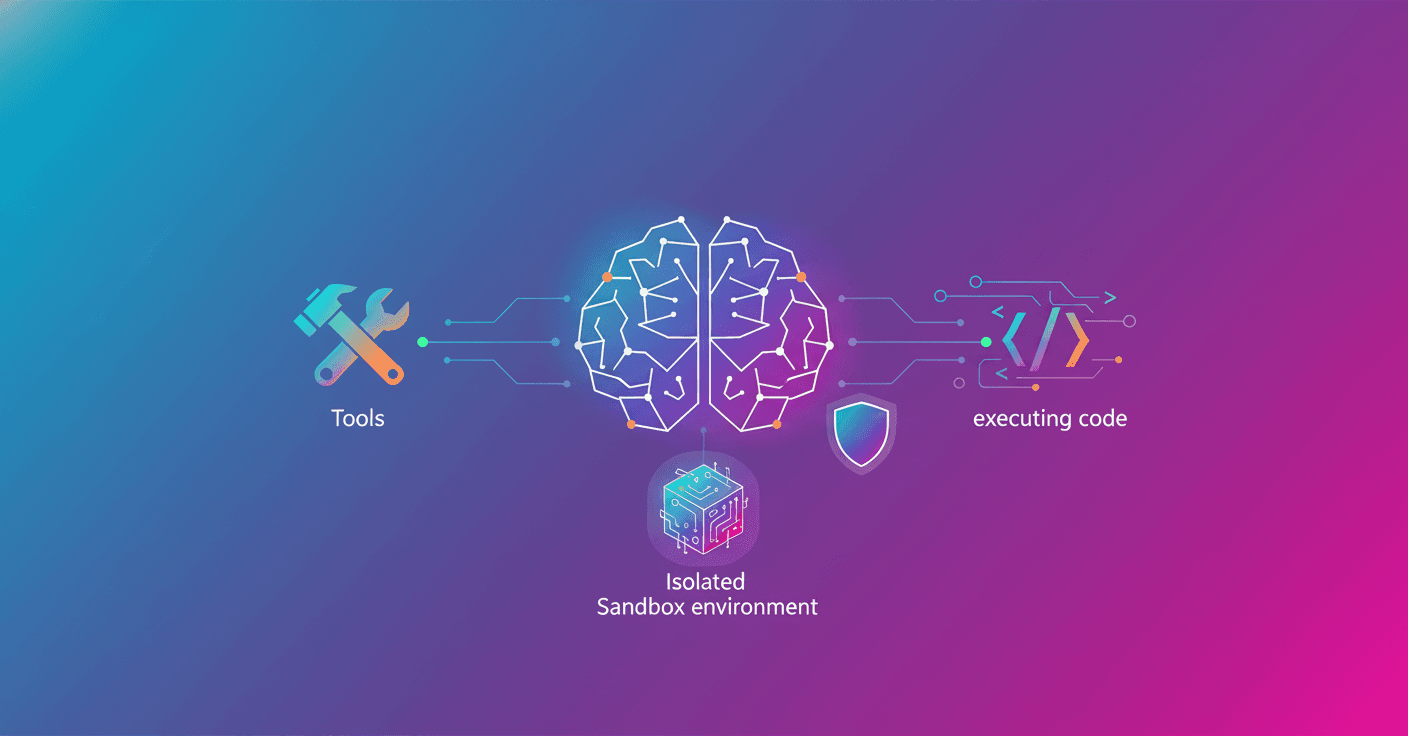
Today Google introduces Managed Agents in the Gemini API, a way to create intelligent agents with a single call that reason, use tools, and execute code in an isolated, ephemeral Linux environment.
It's a bet on abstracting the messy infrastructure so you can focus on product logic and the agent's behavior. Want to skip building sandboxes and servers and go straight to the experience? This is exactly that idea.
What Managed Agents in Gemini are
Managed Agents are agents run and managed by Google that operate on the new Antigravity agent, based on Gemini 3.5 Flash. With a single request you can provision a remote Linux environment where the agent can reason, plan, call tools, and run code without you having to set up sandboxes or orchestrate servers.
In short: Google lends you the agent infrastructure so you can build the intelligence and the experience.
What you can do with them
- Run code and manage files inside an isolated Linux sandbox.
- Reason and plan actions using a
harnessof preintegrated tools. - Browse the web to fetch and process real-time data.
- Maintain state across calls: each interaction creates or receives an environment you can use in later calls to continue the session with files and state intact.
Sound useful for automated tests, controlled scraping, or agents that need to run analysis scripts? That's exactly what it enables.
How developers use and customize them
You no longer need to write complex orchestration logic. You can extend the Antigravity agent with your own instructions and skills simply by defining files in markdown like AGENTS.md and SKILL.md and registering them as managed agents.
Google has also opened its agent infrastructure (after internal testing with Deep Research) so you can build custom agents. There are templates in Google AI Studio Playground and documentation to get you started quickly.
Concrete use cases
- Startups that need an assistant to run and validate code without deploying their own infrastructure.
- Data teams who want agents that gather and normalize live information from the web.
- Support platforms that require automated flows with controlled access to files and a temporary environment.
A real example: imagine you build an agent that reproduces bugs in a project, modifies files, runs tests, and returns a report. With Managed Agents you can do that without configuring VMs, containers, or orchestrators.
Availability and status
Managed Agents in the Gemini API launches in preview starting May 19, 2026. You can access the Antigravity agent via the Interactions API and start with templates in Google AI Studio Playground. For enterprises, there is support in the Gemini Enterprise Agent Platform in private preview.
Final reflection
The novelty isn't just that agents are more capable — it's that Google takes responsibility for the infrastructure layer. What does that mean for you? Less time lost setting up environments, more time designing behavior, experience, and security.
If you're building agents that need to run code or handle files, this cuts a lot of the initial friction.
Original source
https://blog.google/innovation-and-ai/technology/developers-tools/managed-agents-gemini-api