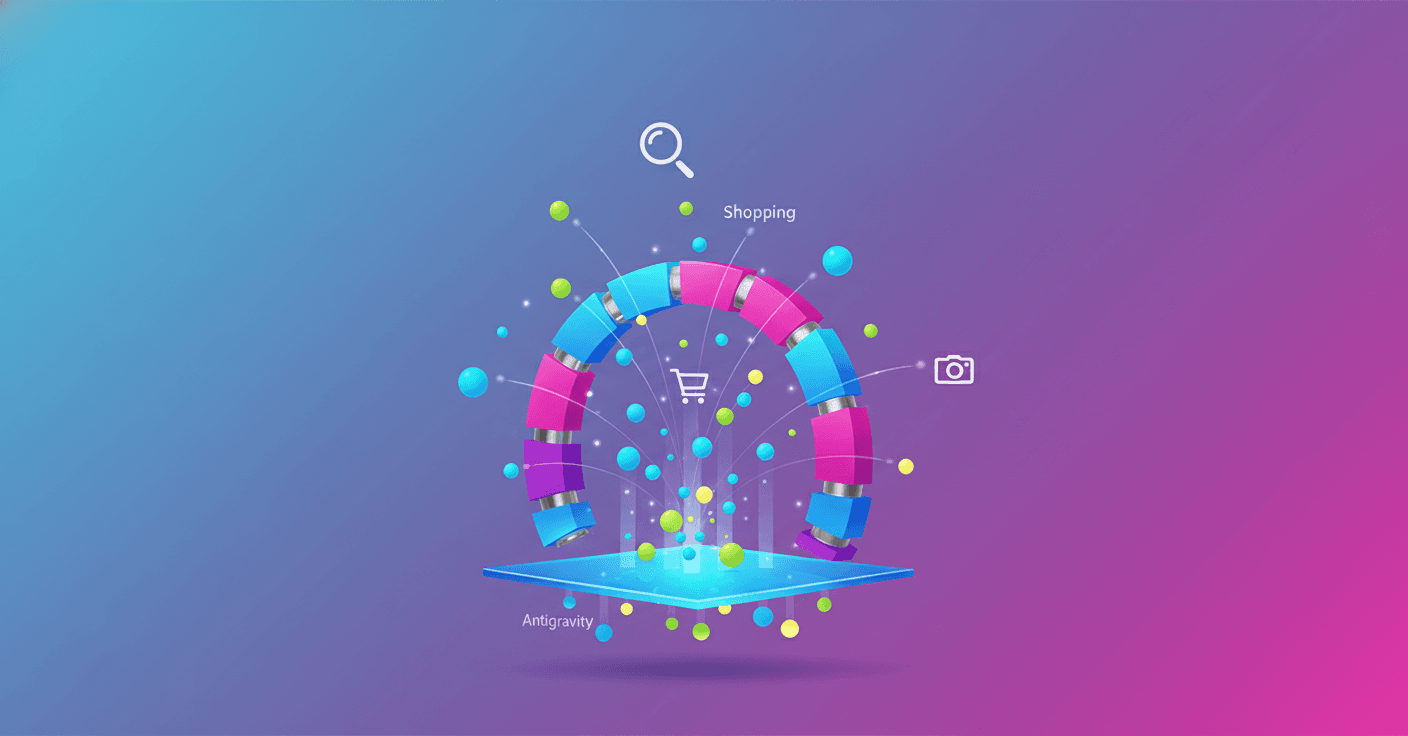
At Google I/O 2026 Google unveiled a new stage where artificial intelligence stops being just a tool to help you think and starts becoming a companion that acts. Can you imagine asking an AI to edit a video, do smart shopping, or manage tasks for you? That’s exactly what they’re pushing with Gemini and their agent-first platform.
What Google I/O 2026 announced
Google showed two new models and a clear bet on agents that do things, not just answer. The key names are Gemini Omni and Gemini 3.5 Flash.
Gemini Omni: designed to understand the world from multiple inputs, starting with video. It’s a leap in multimodal comprehension and editing — meaning it can create and edit content from different types of signals.Gemini 3.5 Flash: part of the latest family that aims to combine advanced intelligence with the ability to act.
They also presented improvements to their agent-first platform called Antigravity, which makes it easier to build agents that act instead of just generating text. This opens the door for anyone —not just engineers— to create agentic experiences.
The central idea: move from helping you write to helping you do.
What does it mean for AI to be “agentic”?
Agentic means the AI doesn’t just give ideas; it executes tasks, makes decisions within limits, and operates on your behalf. Think of an assistant that doesn’t just suggest the best route, but books the taxi, adds the meeting to your calendar, and notifies the participants.
Practical example: you ask an agent to improve a video you recorded on your phone. The agent understands the scene, corrects color, trims the irrelevant parts, and produces a version ready to publish. Before, that required different apps and lots of manual editing.
Products and experiences where we’ll see these agents
Google announced it will bring agents across its ecosystem:
- Search: dynamic information with agents that gather, synthesize, and act on results.
Geminiapp: features likeGemini SparkandDaily Briefto get summaries and recommended actions.- Universal Cart: a shopping cart that actually thinks and optimizes for you when buying across different sites.
- Google Photos, Ask YouTube, and solutions for smart eyewear: more interactive and personalized content.
All of this points to experiences that are more contextual and proactive.
So what does this change for you in practice?
For creators: faster editing and production, new ways to interact with video and audio. For entrepreneurs and businesses: smart carts and agents that automate sales and customer support. For everyday users: fewer repetitive tasks, useful summaries, and features that act in the background.
Not everything is instant magic. There will be challenges around privacy, control, and clarity about when an agent is acting for you. But the important step is that the capability exists and it’s being democratized.
Google I/O 2026 didn’t just introduce new models; it made clear that the next battle is about bringing useful agents into real products. Sounds futuristic? Sure — but it’s also the natural evolution of tools we already use today.
Original source
https://blog.google/innovation-and-ai/technology/developers-tools/google-io-2026-collection