How much time have you lost trying to understand a form, find a public office, or figure out whether you qualify for assistance? Bureaucracy is part of everyday life, but its instructions are not always written to be easy to understand.
According to Google’s AI & Economy ATLAS v1.0 study, administrative tasks take up a small part of the day, but generate a disproportionate number of questions for artificial intelligence. Nearly half of those conversations happen outside regular office hours, when getting a human answer can be more difficult.
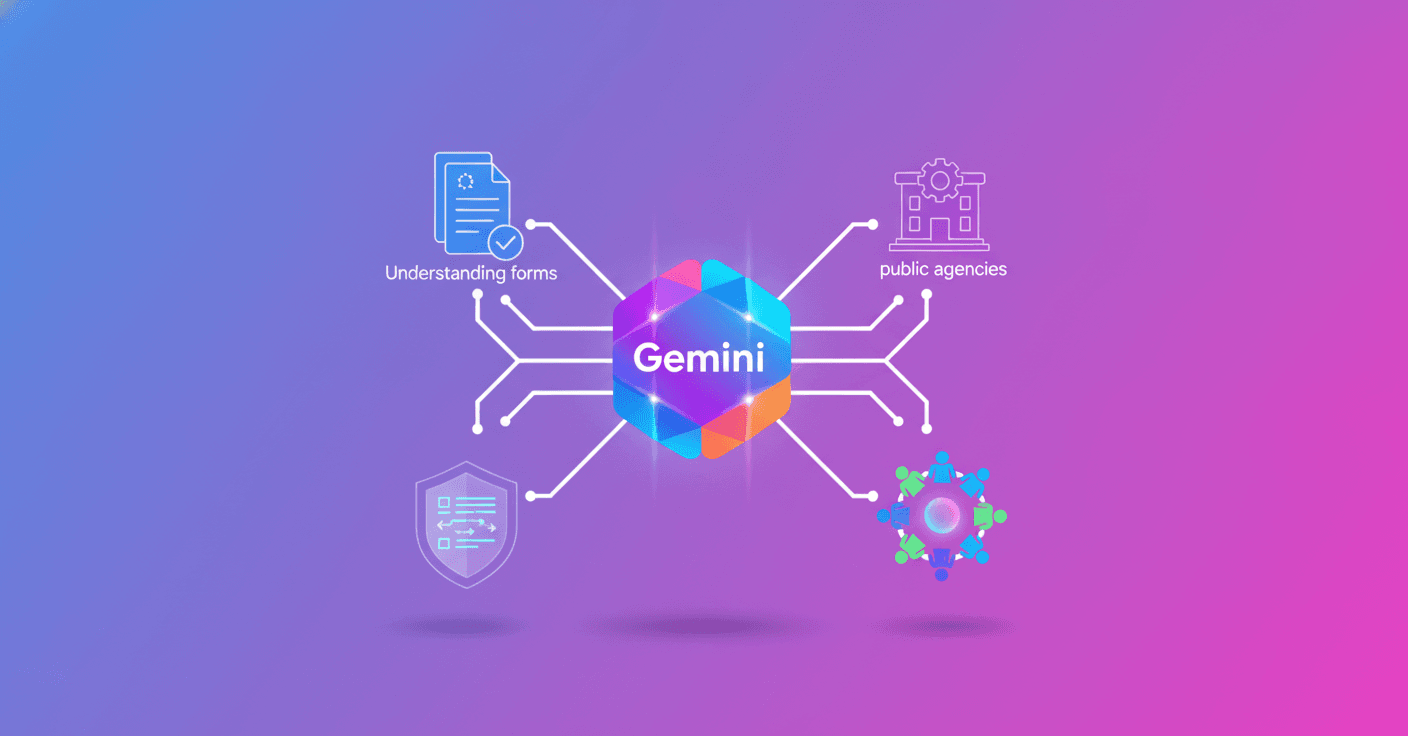
Gemini aims to reduce that so-called “bureaucratic burden” by helping you interpret official documents, organize requirements, and find the next step. Here are four practical ways to use it.
1. Understand forms, payments, and requirements
Renewing a license, filing taxes, or paying a fine may seem straightforward until legal terms, specific documents, and different processes depending on the city or country appear.
Nearly 40% of people who use Gemini for civic tasks ask it questions related to forms, payments, and administrative procedures. The tool can translate administrative language into clearer instructions and organize the steps you need to follow before completing an application.
For example, you can ask it to explain a form section by section, prepare a list of required documents, or point out which information you should confirm with the relevant office.
AI can help you understand the process, but you should always verify the final requirements on the institution’s official website. A recent change in a regulation may not be reflected in the response.
2. Participate more effectively in civic life
Civic participation also involves procedures and rules that we may not always know about: responding to a jury summons, understanding community regulations, or preparing to vote.
Around 26% of Gemini users who use it for government-related tasks consult the tool to get up to speed on this type of information. Gemini can summarize procedures, explain what to expect, and help you prepare more specific questions.
One example of a query would be:
I have to serve on a jury for the first time in Chicago. What should I expect during the selection process, what should I bring, and what are the general court rules? Indicate which information I should confirm with the official source.
The key is to ask for context, not just a quick answer. What happens before you arrive? What documents do you need? What situations might require contacting the institution in advance?
3. Find the right office or regulation
Sometimes the problem is not completing the procedure, but figuring out who is responsible for it. Government websites may be spread across different agencies, departments, and levels of administration.
More than 16% of people who use Gemini for civic tasks turn to AI to locate agencies, public records, and local regulations. The tool can help you identify which department to search for and which terms to use to find the relevant information.
You can also use a query like this:
What are the general steps and typical documents needed to submit a FOIA request for local municipal records? Include the agency that normally receives the request and point out what I should verify on the official website.
Gemini can serve as an initial map, so you do not have to jump aimlessly between institutional webpages. Even so, the final request must be submitted according to the instructions of the responsible agency.
4. Explore social services and public assistance
Finding a benefit does not necessarily mean it is easy to know whether you meet the requirements. Disability programs, Social Security, food assistance, and other forms of aid often have conditions related to income, residency, age, family situation, or documentation.
More than 15% of Gemini users who use it for government-related tasks ask for help navigating these systems. AI can summarize eligibility criteria, organize a list of documents, and explain which questions you should ask before starting the application.
A good practice is to ask it to separate the information into three parts:
- Requirements you appear to meet.
- Information or documents that are still missing.
- Points that must be confirmed directly with the institution.
This structure turns extensive regulations into a more manageable plan, especially when you are handling the process outside office hours.
AI as a guide, not the final authority
The value of Gemini in these situations is not that it replaces a public office or makes legal decisions for you. It is there to help you get started: understand the language, organize the information, and reach the official channel better prepared.
AI does not make bureaucracy disappear, but it can make it less confusing. And when a tool lets you turn a multi-page document into a clear list of steps, saving time also means regaining peace of mind.
Original source
https://blog.google/products-and-platforms/products/gemini/ai-navigate-bureaucracy