Creating an image of your dream home or an illustration based on your tastes usually requires an endless list of details. What if Gemini could understand that context better without making you explain everything from scratch?
Gemini personalizes your images with your apps
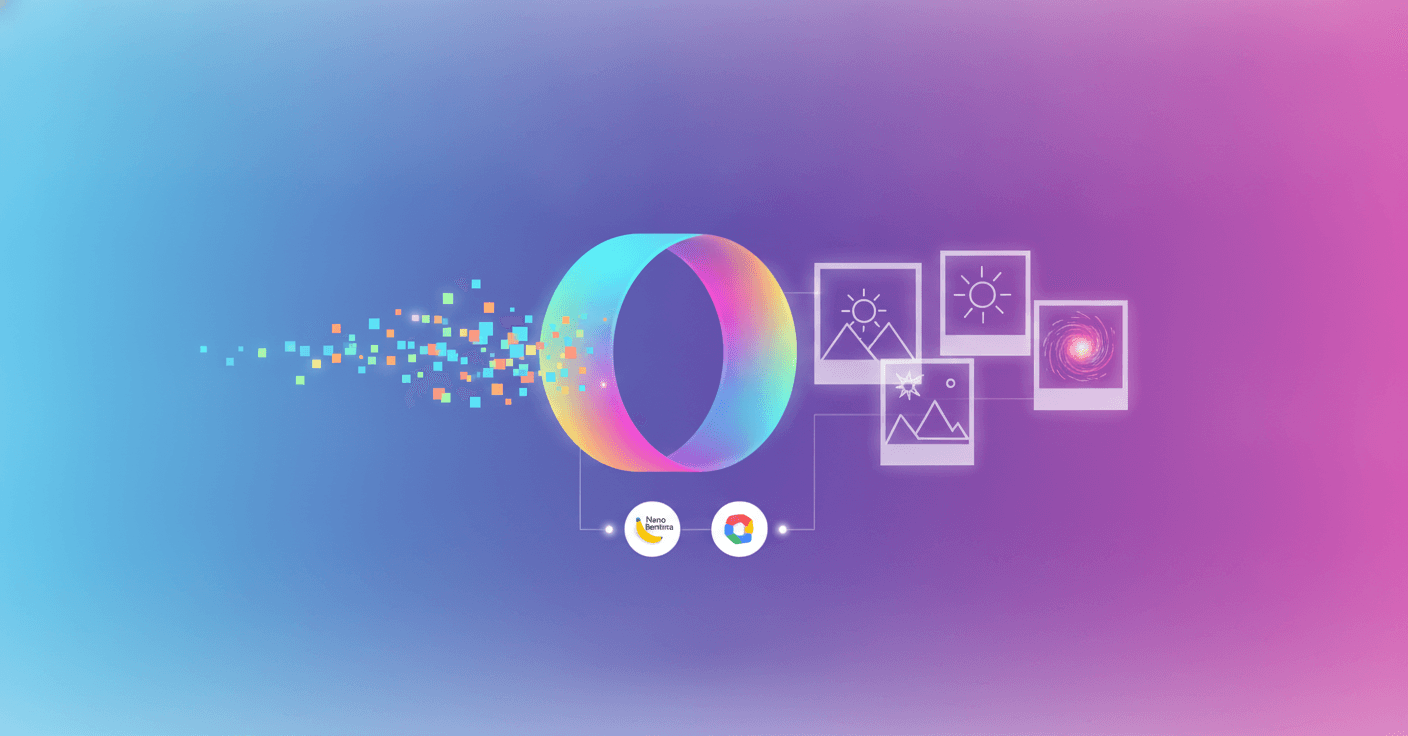
Google announced that eligible users in the United States can now access free, more personalized image generation within the Gemini app. The feature combines Personal Intelligence, Google Photos, and Nano Banana, Google’s image creation system.
The idea is simple: with your permission, Gemini can use relevant information from services such as Gmail, Google Photos, YouTube, and Search to provide responses that better match your interests and needs.
Instead of writing a detailed description of your life, you could ask something as simple as design my dream home. Gemini would use the available context from your connected apps to better interpret your preferences.
Less explaining, more creating
The integration with Google Photos also aims to remove a familiar step: manually uploading photos every time you want to appear in an image.
For example, with a prompt like create an illustration of me with my favorite things, Gemini can look for photos of you in Google Photos and use that context to generate the result. The promise is that you can spend less time describing who you are and more time experimenting with visual ideas.
This could be useful for creating decorating concepts, personalized cards, social media images, or representations of personal projects. It’s not just about generating a nice-looking image, but about bringing the result closer to each user’s real life.
Personalization depends on your permission
Google emphasizes that connecting its apps with Gemini is optional. You decide whether to activate it, which services to connect, and whether you want to change that authorization in the settings.
That detail matters. The more context an AI tool receives, the more personalized its responses can be—but it also becomes more important to review what information you share and how it is used.
Personalization can save time, but control over your data should remain in your hands.
For now, the announced availability applies to eligible users in the United States. Google did not say when the same experience will reach other countries.
This update shows where AI assistants are heading: they no longer just answer general questions; they also try to understand your preferences and routines. The real challenge will be doing so in a useful, transparent, and easy-to-control way.