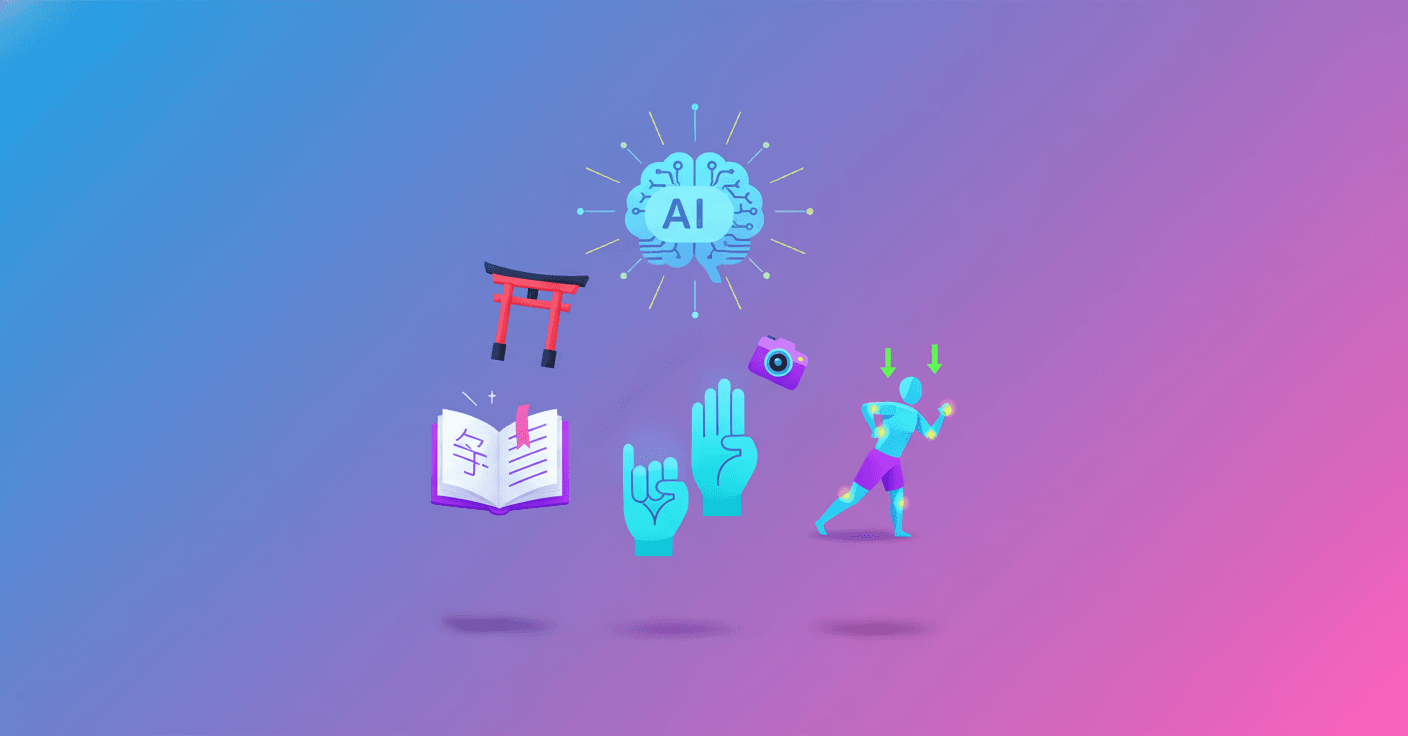
Imagine learning Japanese through stories created by AI, practicing sign language with a tutor that corrects your movements in real time, or getting audio feedback while you do calisthenics to avoid injury. Sounds like science fiction? It's not: these are real prototypes built by students in a lab funded by Google.
What is the Futures Lab and why it matters
The Futures Lab is a partnership between Google and the University of Waterloo that brings students from diverse fields together for an intensive eight-week program. The idea is simple and powerful: combine AI and user experience design to build prototypes that address real problems in learning and work.
This isn’t just theory. Teams design, test, and learn in the wild, and that changes how you think about education. Why does that matter? Because seeing prototypes in action helps you spot design and accessibility issues long before you pour in major resources.
Featured projects
-
Kanji Garden
An app to learn Japanese using immersive, visual stories generated by
AIinstead of memorizing character lists. The idea is to weave vocabulary and cultural context into narratives that make retention easier. -
SignFluent
A learning tool for American Sign Language that gives real-time feedback on your form. Built with accessibility in mind, it aims to fill a gap where human resources are limited.
-
MuscleMemory
A calisthenics app that uses your camera and
AItracking to provide instant audio feedback on technique. The result: lower injury risk and more effective, in-motion workouts.
Lessons from prototyping
The teams didn’t just build pretty demos. They learned practical things about product and collaboration.
-
The MuscleMemory team found that non-technical skills like applied communication are crucial for prototyping. Not everything is code: explaining, teaching, and receiving feedback are productive activities.
-
Kanji Garden emphasized a user-centered view. Making learning meaningful matters as much as model accuracy.
-
SignFluent showed that the intersection of accessibility and technology requires design choices tied to real communities, not one-size-fits-all solutions.
Why you should pay attention
Because these prototypes show a practical path for how AI can enhance human skills in everyday life. It's not just about automation — it's about amplification: personalized tutoring, safer practice, and richer learning experiences.
If you care about education, product design, or how technology can solve everyday problems, these projects give you a direct window into what’s coming. And if you’ve ever worked with students or at a startup, you know eight weeks of focused iteration can be eye-opening.
Dr. Edith Law, Google Chair in the Future of Work and Learning, leads this effort so students don't just learn from AI, they co-create the technology that will shape the future of education and work.
Can you imagine using one of these tools tomorrow? It isn’t that far off.
Original source
https://blog.google/innovation-and-ai/technology/ai/university-waterloo-labs