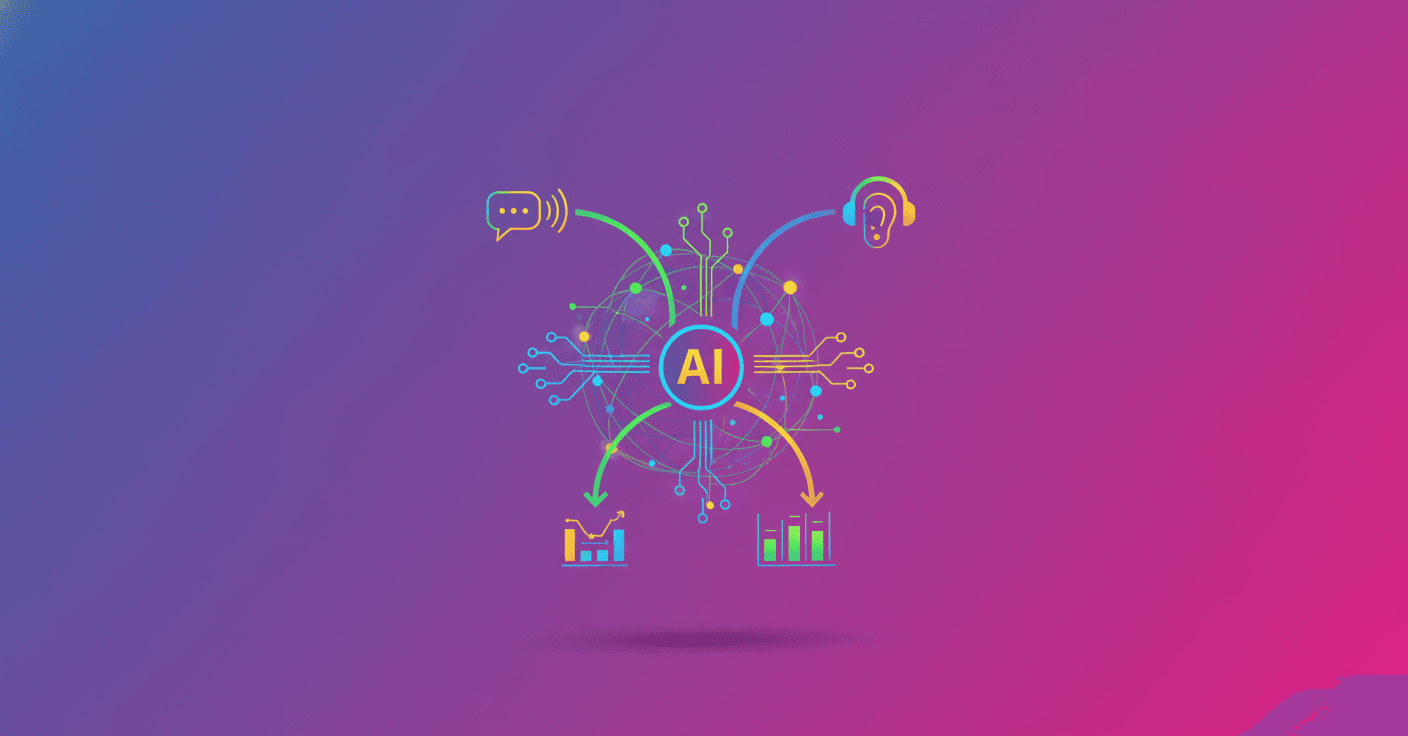
Deutsche Telekom isn't treating artificial intelligence as a boutique experiment. It's redesigning how people connect, how customers are served, and how networks are managed at scale. Their bet? Making AI not an extra, but the engine that rewrites everyday processes and experiences.
Why should you care? Because this isn't about flashy demos — it's about changing the services and calls you already use, quietly and practically.
How Deutsche Telekom is aiming to be AI-native
The company set an ambitious goal: become an AI-native telco. That means AI isn't just another tool, but the foundation for decision-making, designing customer journeys, and operating networks.
In practice, they started by empowering their people: they rolled out ChatGPT Enterprise and internal API tools to encourage experimentation. The result? More than 50,000 monthly active users and a 546% increase in AI tool usage since early 2026.
They didn't stop at isolated pilots. They redesigned critical workflows, starting with customer service and extending the same logic to network operations and voice communications.
What they're implementing now
-
Customer service with AI: systems that learn context, cut wait times, and avoid frustrating handoffs between agents.
-
Reinvented voice experiences: live translation, in-call assistants, and automatic summaries at the end of conversations — all within the channel the customer already uses, without new apps.
-
Intelligent network operations: dynamic resource adjustments for demand spikes (for example, rush-hour commutes or major sporting events) using models that optimize performance in real time.
These advances show a clear focus: bring AI to where customers already are, not ask them to change their behavior.
What this means for people and businesses
For you as a customer: faster interactions, less friction, and features that used to live in specialized apps (like simultaneous translation) now available in the call you already make.
For employees: early access to AI tools to experiment, learn, and rethink their own work. The idea isn't to remove tasks, but to redesign them so humans can focus on higher-value contributions.
For businesses: an example of large-scale transformation that combines top-down direction with broad grassroots adoption. It's not just technology; it's changing processes and responsibilities.
Practical lessons you can apply
-
Treat AI transformation as an operating-model redesign, not just a software rollout.
-
Make leaders accountable for process changes, not only for tool adoption.
-
Start with high-volume flows (for example, customer service) where AI improves experience and efficiency.
-
Give employees early access to accelerate learning and adoption.
-
Always keep data protection, sovereignty, and security at the core to preserve customer trust.
Does this mean humans will disappear from the equation?
No. Deutsche Telekom expects AI to remove repetitive tasks and frictions, but complex decisions, empathy, and oversight remain human. AI shifts the focus of effort — not the person.
What's next: voice as an intelligent platform
The ambitious goal now is to embed AI directly into daily communications: calls that get summarized, assistants that help in real time, and translation without the user having to install anything new. With more than 300 million customers, the company aims to democratize these capabilities across the networks people already use.
Deutsche Telekom's transformation shows AI moving from futuristic promise to an everyday tool that reconfigures entire companies. The challenge? Keep the focus on processes, security, and real value for people and businesses as you scale.