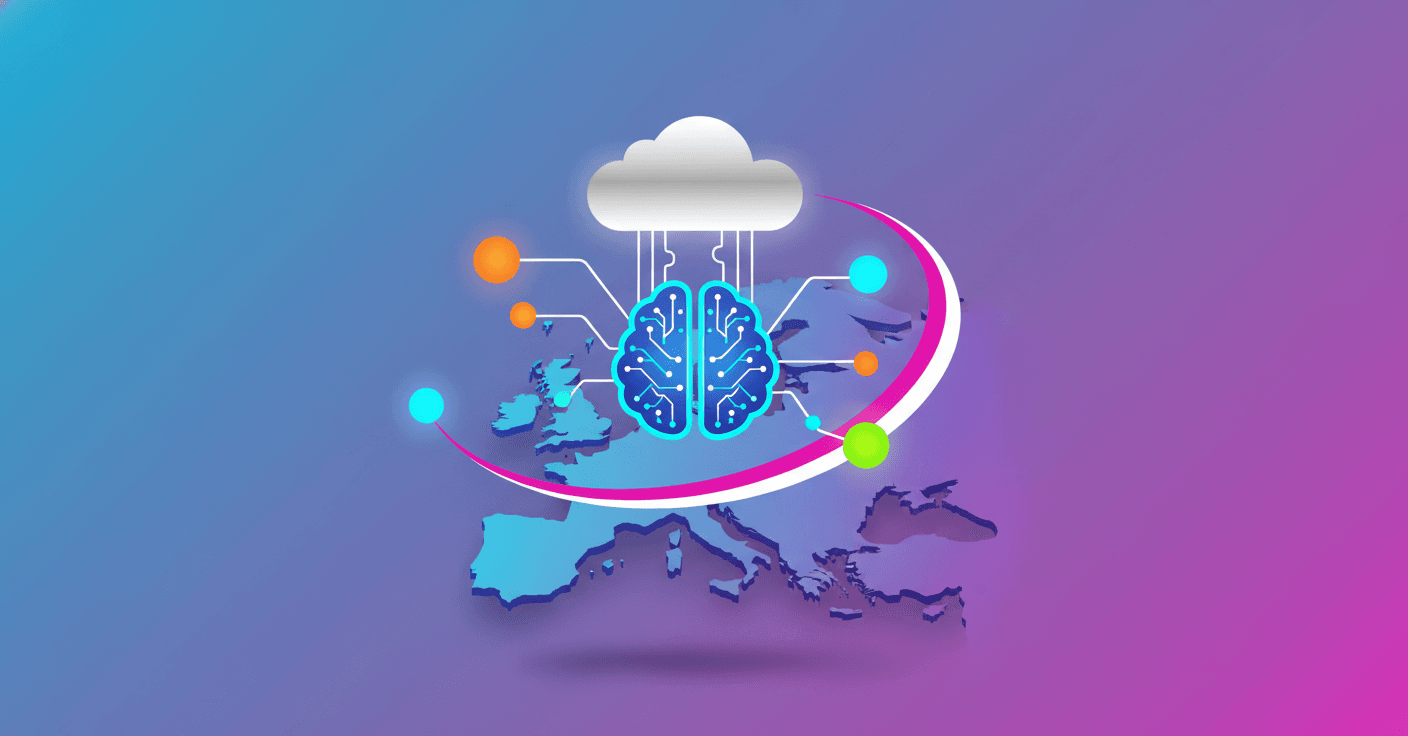
Today a collaboration between OpenAI and Deutsche Telekom is announced to bring advanced artificial intelligence capabilities within reach of millions of people in Europe. Can you imagine assistants in multiple languages, integrated into services you already use, and copilots that help employees and networks work better?
What the alliance announced
OpenAI and Deutsche Telekom will join forces to create AI experiences that are simple, multilingual, and privacy-first. Deutsche Telekom, with more than 261 million mobile customers worldwide, will use OpenAI’s cutting-edge research to bring these tools into everyday life.
The idea is for these experiences to start rolling out in 2026, combining Deutsche Telekom’s reach with OpenAI’s models and the large user base of ChatGPT.
What it means for you as a user
- More accessibility: assistants that understand multiple languages and local contexts, integrated into services you already use.
- Faster tasks: from answering questions about your bill to getting help learning a language or handling paperwork in fewer steps.
- Privacy-first approach: the collaboration promises experiences with a focus on privacy, a growing demand among European users.
Doesn’t it sound useful to get technical support or recommendations in your language without having to repeat information every time? That’s what they’re trying to build.
What changes for companies and employees
Deutsche Telekom will adopt ChatGPT Enterprise internally to give its teams secure access to OpenAI’s best tools. What does that lead to?
- Better customer support: faster, more contextualized answers that can reduce wait times.
- More efficient workflows: documentation, summary generation, and automation of repetitive tasks.
- Employee copilots: assistants that help troubleshoot technical issues, manage tickets, or plan projects.
Additionally, the company plans to use AI more deeply in network operations and in systems that optimize themselves more autonomously. That means more resilient networks and more proactive maintenance.
Privacy, scope, and responsibility
The announcement emphasizes a "privacy-first" approach. In practice, that means designing experiences that respect local rules and expectations, especially in Europe, where data protection regulations are strict.
There’s also a realistic point: deploying AI at scale requires infrastructure, governance policies, and human oversight. It’s not instant magic, but it is an investment to make the technology useful and safe.
Timeline and availability
The new experiences will begin arriving in 2026. Meanwhile, the collaboration already includes the internal rollout of ChatGPT Enterprise at Deutsche Telekom and plans to integrate AI into networks and internal tools.
With more than 800 million weekly users of ChatGPT across the global ecosystem, the alliance could speed up the arrival of AI products to a wide audience.
Final reflection
This isn’t just a tech partnership: it’s a bet on bringing practical AI to everyday services in Europe, with an emphasis on languages and privacy. If things go well, you might notice assistants and improvements in services you already use, and feel that technology complements people instead of replacing them.