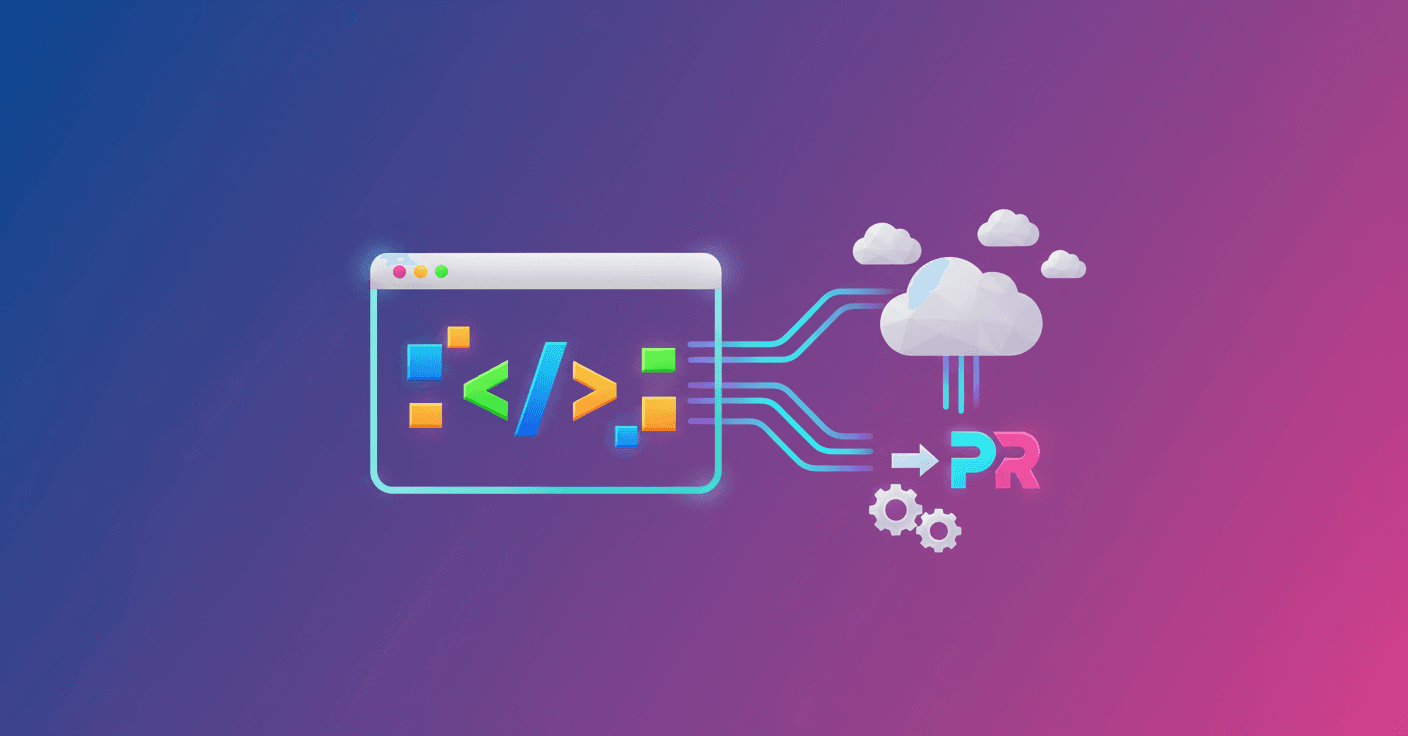
Anthropic introduces Claude Code on the web, a way to delegate programming tasks directly from your browser. Can you imagine opening a tab and asking for fixes, tests, or pull requests without touching the terminal? It’s possible now — at least in this preview.
What Anthropic announced
The feature launched as a research preview on October 20, 2025, and lets you run development sessions in Anthropic’s managed cloud, where you can assign multiple code tasks running in parallel. (anthropic.com)
Each session runs in its own isolated environment and shows real‑time progress; you can also guide Claude as it works, and the system generates automatic PRs and clear change summaries. The goal is to speed the flow from request to merge when tasks are well defined. (anthropic.com)
What can you do today with Claude Code on the web?
- Connect GitHub repositories and ask Claude to implement changes or fix bugs. (anthropic.com)
- Run several tasks in parallel through a single web interface, without opening separate terminals. (anthropic.com)
- Receive verifiable results: Claude can run tests and use practices like test‑driven development to validate backend changes. (anthropic.com)
Does this sound like full automation? Not quite. It works best for routine, well‑scoped tasks; for complex design decisions you still need to review and steer human work.
How Anthropic protects your code
The key piece is sandboxing: each web session runs in an isolated environment with network and filesystem restrictions. That way, even if something goes wrong inside the environment, credentials and other secrets aren’t directly accessible. (anthropic.com)
Anthropic describes two main limits: filesystem isolation so Claude only sees allowed directories, and network isolation so it only connects to approved hosts. They also use a secure proxy for all Git interactions; inside the sandbox the git client uses scoped credentials that the proxy validates before sending the request to GitHub. (anthropic.com)
The idea is to reduce constant approvals without sacrificing security. If Claude needs extra access, the system will ask you explicitly. (anthropic.com)
Anthropic also released a sandbox runtime as a research preview and made part of that work open source, so other teams can replicate these protections. For users there’s a handy shortcut: run \/sandbox inside Claude to start this mode and see how it’s configured. (anthropic.com)
Who can try it and how to start
Claude Code on the web is available as a preview for Pro and Max plan users. There’s also an iOS app preview if you want to experiment from your phone. Cloud sessions share rate limits with the rest of Claude Code usage, so check the documentation before adding it to heavy workflows. (anthropic.com)
If you want to try it right away, the release note links to the web experience to connect your first repository and delegate tasks. (anthropic.com)
Brief reflection
Is this the end of the terminal for developers? No, but it’s a clear sign that AI tools are raising the abstraction level of the workflow. For teams with many repetitive tickets or maintenance pipelines, delegating secure, verified tasks to an agent can save hours each week. For others, it’s about weighing risks and tuning permissions.
Practical advice: try the preview on a non‑critical repo, check how the proxy handles pushes, and play with sandbox rules before delegating changes to production. Learning to trust with control is the new skill this generation of tools brings.