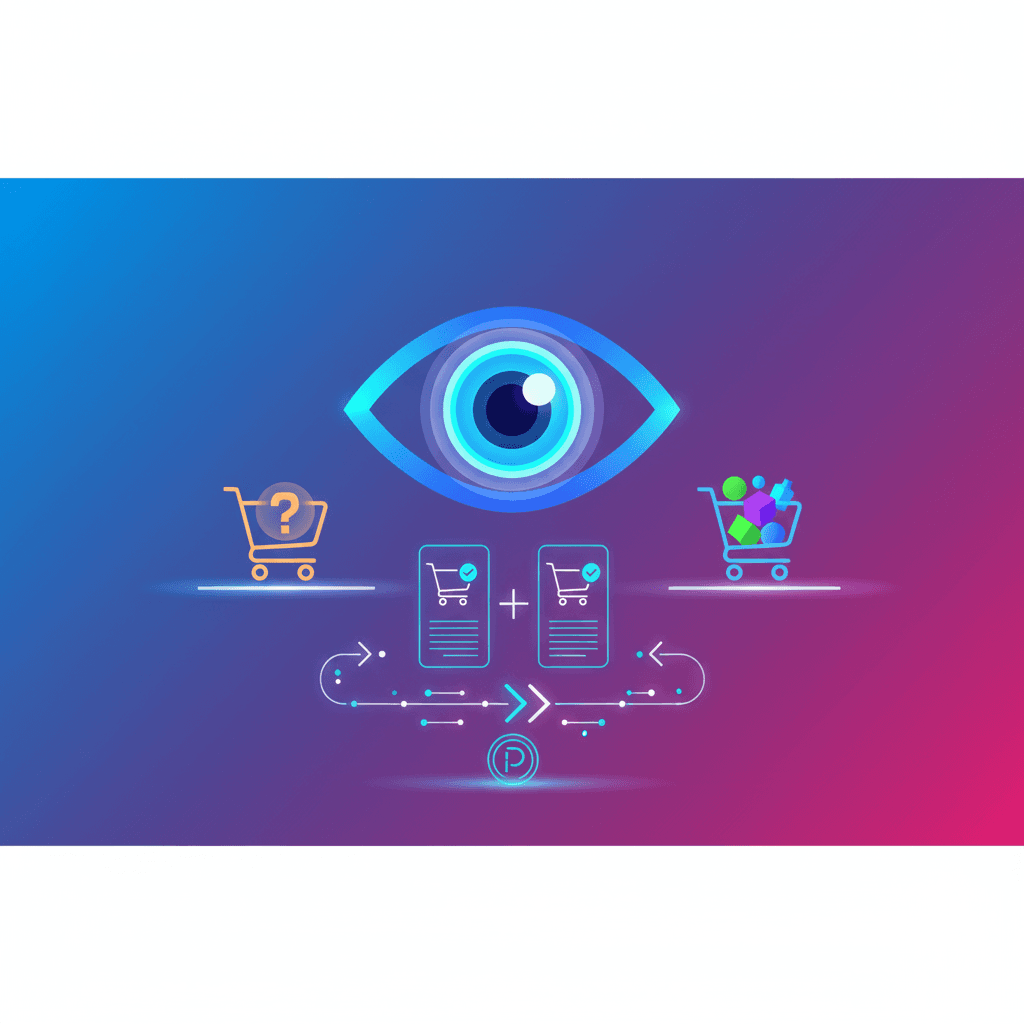
More and more people start their shopping in ChatGPT to explore, compare, and decide what to buy. Does that sound familiar — opening a thousand tabs and reading the same “best of” lists? With these improvements, ChatGPT wants to turn that odyssey into a quick, visual conversation.
What changes in the shopping experience
Now you can search for products inside ChatGPT in a more visual and conversational way. Describe what you need, refine the search by talking with the assistant, and get options that fit your budget and preferences. You can also upload images as a reference to find similar items.
Results show more context: photos, price, reviews, and key features, presented side by side so you can compare without jumping between sites. Want to evaluate two vacuum cleaners or three chairs? You see everything together and decide in seconds instead of hours.
How it works behind the scenes (without technical jargon)
To make this happen, OpenAI expands the Agentic Commerce Protocol (ACP), which acts as a connective layer between merchants and users. Thanks to ACP, merchants’ catalogs and promotions are shown inside ChatGPT, and integrations with providers like Salesforce and Stripe are supported so everything fits into the systems merchants already use.
The goal is better coverage, relevance, and speed: more up-to-date, useful results that reduce the need to search multiple sites. For you, fewer tabs; for the merchant, visitors with higher purchase intent.
Who's already participating
Big retailers like Target, Sephora, Nordstrom, Lowe's, Best Buy, The Home Depot, and Wayfair have already integrated their catalogs into ACP. Plus, millions of merchants on Shopify appear automatically through the Shopify Catalog, without the seller having to do anything extra.
"Millions of Shopify merchants are open for business in ChatGPT. When buyers look for products, the Shopify Catalog offers the most relevant options from the brands that people love."
Walmart goes a step further: it launches an app-like experience inside ChatGPT that lets you link accounts, use loyalty programs, and make payments with Walmart. For now it's available in browsers, with apps on iOS and Android coming soon.
And payment? What's changing with Instant Checkout?
OpenAI decided the initial version of Instant Checkout didn't offer the flexibility merchants expect. So they let sellers send buyers to their own checkout process while they keep improving discovery. If a merchant wants deeper integrations and native experiences, they can build an app for ChatGPT.
A practical example
Imagine you're looking for a sofa: you upload an inspiration photo, say your budget, the room dimensions, and whether you prefer fabric or leather. ChatGPT shows visual options, compares dimensions, price, and reviews, and lets you try search variations (cheaper, firmer, fast delivery) until you find the right one. All without opening five tabs.
Why does this matter now?
Because it turns a fragmented, slow task into a unified conversational experience. For consumers it means faster decisions and less friction. For merchants it means traffic with higher purchase intent and new ways to connect with customers.
These changes are rolling out this week to ChatGPT Free, Go, Plus, and Pro users, and OpenAI says it will keep iterating with feedback from users and merchants.
Final thought
The novelty isn't just that ChatGPT shows products: it's that it turns search into a conversation with memory and context, where you set the priorities and the system responds visually. Does it make your life easier? Probably yes. Will it change how we shop online? It's on its way.
Original source
https://openai.com/index/powering-product-discovery-in-chatgpt