For five years, AI has been advancing at a pace that often feels fast and a bit messy. Ever get that sense that things are moving quicker than we can make sense of them?
What happens when the people building these machines start spotting problems only they can describe? Anthropic answers by launching The Anthropic Institute, a space designed to research and share what they discover about the challenges powerful AI brings.
Qué es The Anthropic Institute y por qué importa
The idea is simple and ambitious at the same time: bring together researchers from different fields to understand how frontier AI systems affect society, the economy, and the law. Anthropic recognizes that, by building more powerful models, they gain privileged access to information others don’t have. What do they do with that advantage? They turn it into public material and collaboration.
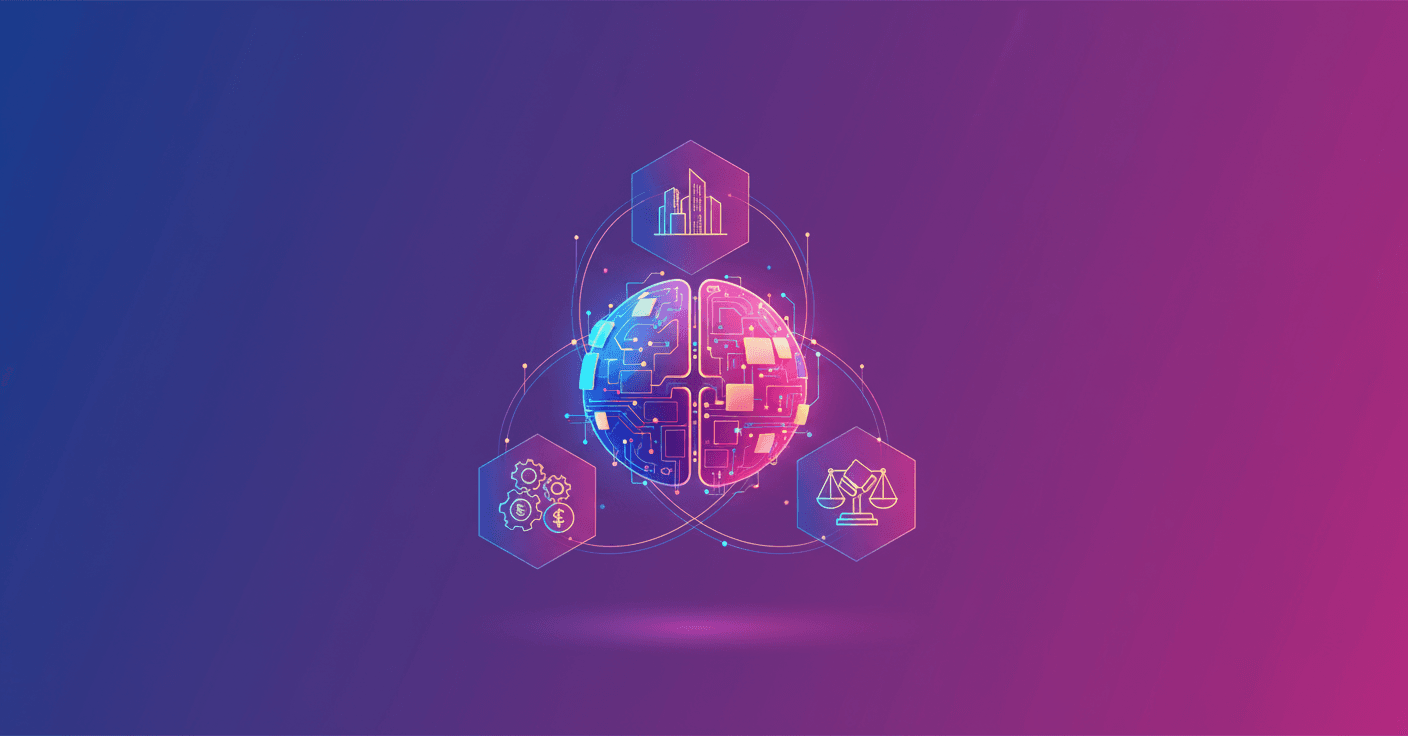
The Institute combines three existing teams within Anthropic: Frontier Red Team (which tests limits and failures), Societal Impacts (which studies real-world uses), and Economic Research (which looks at effects on jobs and the economy). It will also incubate new groups, for example forecasting AI progress and how it will interact with legal systems.
Anthropic bets that advances are not linear but compounding: improvements that add up and accelerate. If they’re right, changes will arrive much sooner than many expect.
¿Qué preguntas busca responder el Instituto?
-
¿Cómo reconfigurarán empleos y sectores enteros la llegada de IA más poderosa? ¿Qué trabajos cambiarán primero? ¿Qué políticas públicas ayudarán a amortiguar el golpe?
-
¿Qué oportunidades de resiliencia social pueden surgir —por ejemplo, mejor acceso a servicios o aceleración científica— y cómo maximizarlas?
-
¿Qué amenazas nuevas aparecen, desde seguridad hasta sesgos y concentración de poder, y cómo medirlas?
-
¿Qué valores o principios deberían guiar a los sistemas de IA y quién decide esos valores?
-
Si aparece una fase de
self-improvementrecursiva en sistemas de IA, ¿quién debe ser informado y cómo se regula eso a escala internacional?
These are practical questions, not science fiction: they all affect employment contracts, regulations, and business decisions today.
Liderazgo, contrataciones y enfoque interdisciplinario
The Institute will be led by Jack Clark, who takes on a new role as Head of Public Benefit. The staff includes ML engineers, economists, and social scientists, aiming to close the gap between how AI is built and how society experiences it.
Some key hires:
- Matt Botvinick: will lead work on AI and the rule of law, coming from DeepMind and academia.
- Anton Korinek: joins the economic team to study how AI will transform economic activity.
- Zoë Hitzig: will connect economic research with model development and training.
They are also hiring a small analytical team to synthesize and share findings with the public and policymakers.
Política pública y presencia global
Alongside the Institute, Anthropic is expanding its Public Policy team. Sarah Heck will lead that effort as Head of Public Policy, focusing on model safety, transparency, export controls, and support for democratic leadership and infrastructure in AI.
They will open an office in Washington DC and grow their global policy footprint. This shows they’re not just researching: they also want to influence the rules and frameworks that define how AI is deployed.
¿Por qué te debería interesar esto a ti?
Because the AI that aims to transform industries isn’t just an issue for engineers or big companies. Do you work in education, healthcare, finance, manufacturing, or belong to a community vulnerable to job shifts? The decisions Anthropic and others make now will affect your opportunities and risks.
If the idea of companies holding privileged information bothers you, this matters too: the Institute promises transparency and collaboration, but the responsibility to watch and regulate will be collective.
Think of this as an invitation: AI developers say they have unique data and bet on sharing it so public conversation is better informed. That doesn’t solve everything, but it’s an important step.
Reflexión final
The Anthropic Institute appears at a moment when questions about power, values, and governance of AI stop being abstract. It isn’t an isolated lab: it aims to be a bridge between those who create the technology and those who live with it. Will it be enough? The answer will depend on the quality of its research, its openness, and on society—you included—demanding transparency and policies that protect the common good.