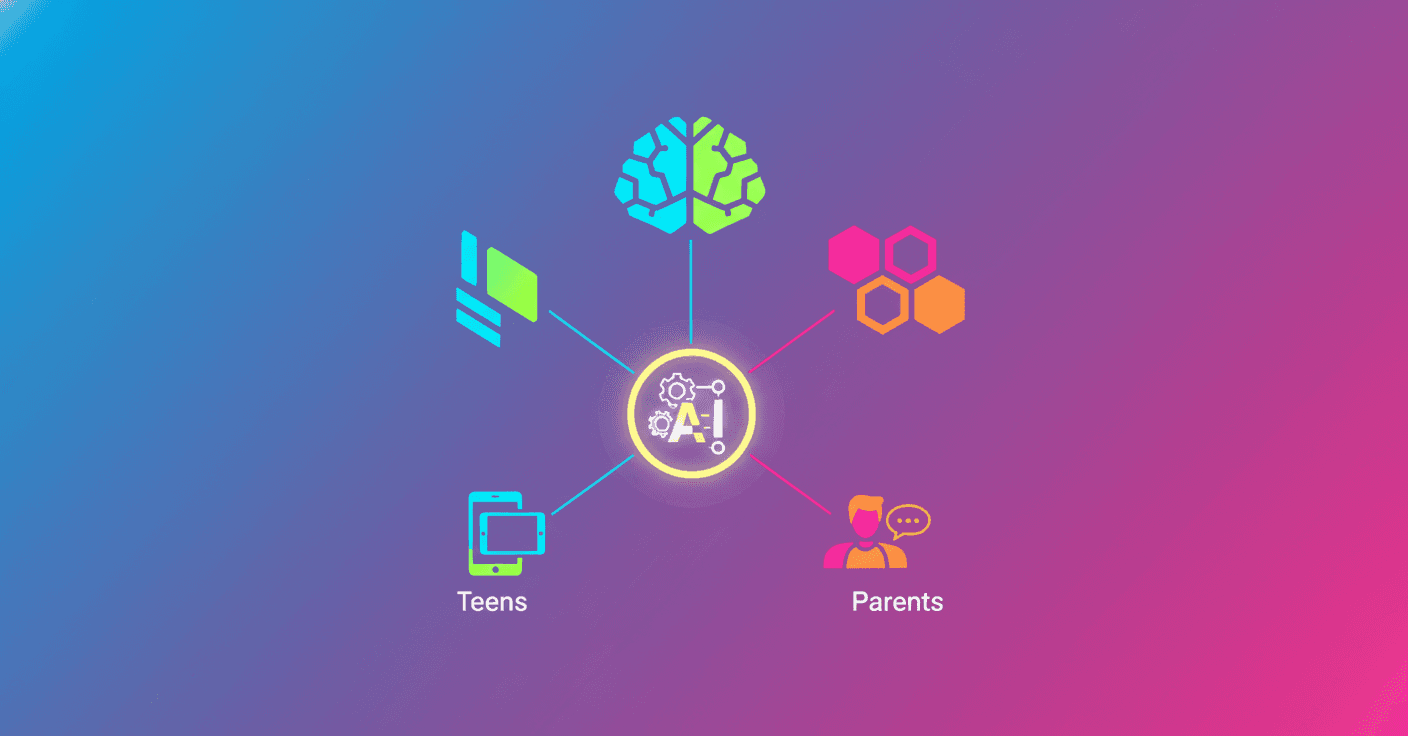
In the age of artificial intelligence, talking at home about tools like ChatGPT isn't optional: it's necessary.
How do you explain to a teen what AI does without overwhelming them? How can parents support safe, responsible use? OpenAI released two resources designed exactly for that: a friendly guide for families and a set of tips for parents.
What each resource includes
The initiative offers two clear, practical pieces. The first is a guide aimed at young people and their families that explains, in plain language, how AI models are trained, why they sometimes make mistakes, and why it's important to verify the information they generate.
The second is a parents' tips package with ideas for starting conversations, suggestions to set healthy boundaries, and practical guidance for handling emotional or sensitive topics.
What will a teenager learn?
- How AI models work at a high level and why they aren't infallible.
- Why different answers can appear to the same question and how to write better questions (
prompts) to get more useful responses. - Privacy recommendations: what AI does with data and how to adjust settings.
A concrete example: if a student uses ChatGPT to review history, the guide suggests checking dates and sources in books or reliable sites, not copying answers without verifying them, and using AI as a starting point for research.
What do parents get?
- Phrases and questions to start the dialogue: What did you do with AI today? How did it help, and what made you unsure?
- Advice to build critical thinking, set time limits, and supervise without invading privacy.
- Strategies for delicate topics: how to support a child if the AI generated disturbing or confusing content.
Think of this as a conversation kit: it's not about banning, but about teaching how to use tools with good judgment.
Practical recommendations for use at home
- Set clear rules: when and for what AI can be used (homework, creativity, idea review).
- Teach verification: look for at least one reliable source that confirms what the AI says.
- Check privacy settings and share with your child how to protect their information.
- Practice composing questions together: ask for more context, request sources, ask for steps or explanations.
Quick example: instead of asking Summarize this, turn the request into Summarize this in 3 points and tell me what sources I can check to confirm it.
The most important thing: AI is a tool. Responsibility and critical thinking remain human.
Who reviewed the materials and why they matter
OpenAI worked with experts, including members of its Wellbeing Council and organizations experienced in online safety and adolescent development. That means the resources aren't just technical tutorials; they integrate considerations about mental health, development, and safety.
In addition, the materials will be updated over time to adapt to different ages and to what we keep learning about how families interact with these technologies.
To finish
If you have a teen at home or work with young people, these resources are a good place to start a calm, smart conversation about AI. Isn't it better to learn to live with the technology thoughtfully than to fear it?
Original source
https://openai.com/index/ai-literacy-resources-for-teens-and-parents